
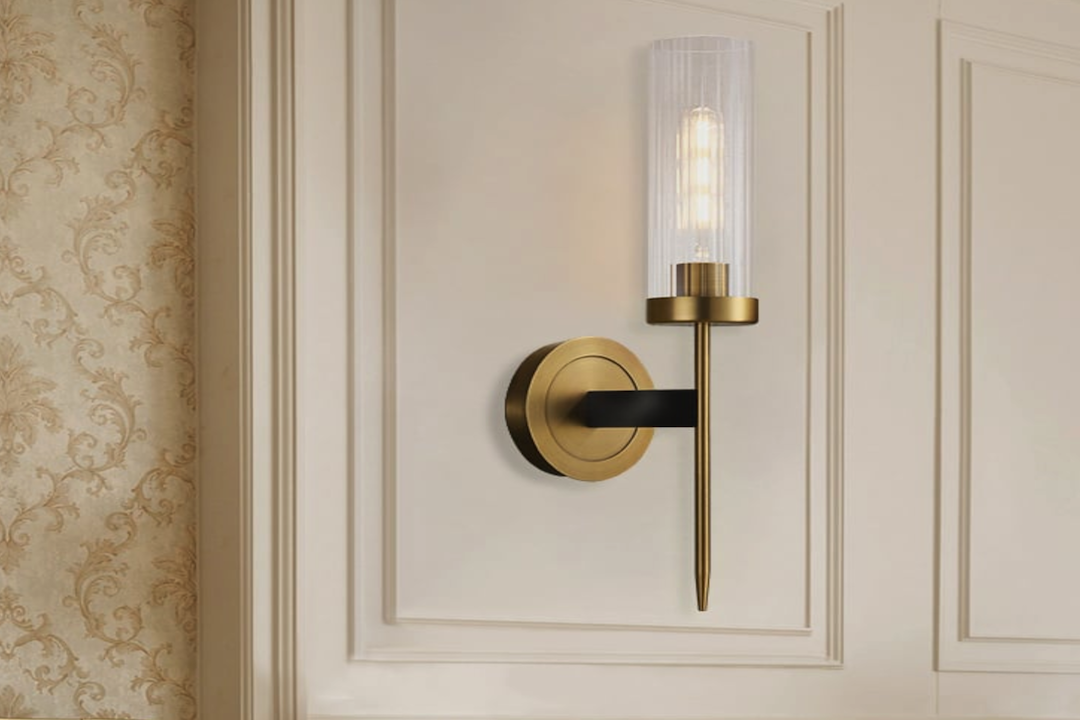
Looking to brighten up that often-overlooked space in your home? Ribbed glass wall sconces are a fantastic way to do just that in your hallway. They offer a unique blend of vintage charm and modern appeal, casting beautiful, diffused light that can transform a drab corridor into an inviting passageway. Unlike a stark, overhead light, sconces create a softer, more layered illumination, making your hallway feel less like a functional thoroughfare and more like an integral part of your home’s design.
Ribbed glass, also known as fluted or reeded glass, isn’t just about good looks; it’s about smart design. The textured surface of the glass plays an active role in how the light behaves, making these sconces particularly well-suited for hallways.
Diffusion and Warmth
The individual ridges on the glass act as tiny prisms, scattering the Xlightings light in multiple directions. This diffusion softens the harsh glare often associated with clear glass or bare bulbs, preventing sharp shadows and creating a more even, ambient glow. Imagine a sunny day where the light streams through a window, but instead of harsh beams, it’s a gentle, all-encompassing brightness. That’s the effect ribbed glass aims for – a warm, inviting luminescence that makes the hallway feel cozy rather than simply lit. This diffused light is particularly beneficial in a hallway where direct, blinding light can be jarring, especially at night. It guides you without overwhelming your eyes.
Adding Visual Texture
Beyond the light, ribbed glass brings an intriguing tactile element to your walls. The texture itself adds depth and interest, even when the light isn’t on. It’s a subtle detail that elevates the overall aesthetic, catching the eye and adding a touch of sophistication that plain glass or solid shades simply can’t achieve. Think of it as adding a discreet pattern to your wall – not overwhelming, but definitely noticeable and appreciated. This visual texture can break up a long, plain wall, providing a focal point without being too busy.
Versatile Style Appeal
Ribbed glass sconces are surprisingly adaptable. Their inherent design leans towards a vintage or mid-century modern aesthetic, but they can seamlessly integrate into a variety of décor schemes.
From Modern Farmhouse to Industrial Chic
For a modern farmhouse look, pair them with matte black or bronze finishes and perhaps some natural wood accents. The ribbed glass adds a touch of classic elegance that complements the rustic charm. In an industrial setting, choose sconces with a dark metal frame and expose the wiring if possible for an edgy, authentic vibe. The softened light from the ribbed glass provides a pleasing contrast to the utilitarian materials.
Contemporary and Scandinavian Integration
Even in a contemporary or minimalist setting, ribbed glass sconces can work wonders. Opt for sconces with sleek, unadorned frames in brushed nickel or polished chrome. The texture of the glass then becomes the primary decorative element, adding interest without clutter. For a Scandinavian-inspired hallway, pair them with light wood accents and a muted color palette. The diffused light enhances the feeling of hygge – coziness and comfort. The simplicity of the ribbed glass pattern aligns well with the clean lines and functionality often seen in Scandinavian design.
Finding the Right Fit: Key Considerations
Choosing the perfect ribbed glass wall sconce for your hallway isn’t just about picking one you like. A few practical considerations will ensure you end up with lighting that’s both beautiful and functional.
Size and Scale
This is crucial. A tiny sconce on a vast wall will look lost, while an oversized one in a narrow passage can feel overwhelming and even obstruct movement.
Narrow Hallways
For narrow hallways, opt for sconces that don’t protrude too far from the wall. Flush mount or semi-flush mount options are ideal. Consider smaller, more delicate designs that provide light without visually shrinking the space. You want enough light, but you don’t want the fixtures to feel bulky.
Wider Hallways
Wider hallways offer more flexibility. You can go for larger, more substantial sconces that make a statement. You might even consider sconces with multiple light sources or a more elaborate design, depending on the overall aesthetic you’re aiming for. In a wider space, the sconce can be more of a decorative element in itself, rather than purely functional.
Ceiling Height
Consider your ceiling height too. If you have a low ceiling, sconces with an upward-facing light distribution can help draw the eye up, making the space feel taller. If you have high ceilings, you might want sconces that provide more downward or ambient light to ensure the entire hallway is well-lit.
Placement and Spacing
Where you put your sconces, and how far apart they are, makes a huge difference in the overall effect.
Even Illumination
For most hallways, the goal is even illumination. As a general rule, sconces should be placed about 60-70 inches from the floor to the center of the fixture. This height ensures the light isn’t glaring directly into people’s eyes and effectively casts light downwards and outwards. They should also be spaced relatively evenly along the length of the hallway, typically 6-8 feet apart, depending on the intensity of the light and the length of the hall. For a very long hallway, you might need more sconces to avoid dark spots.
Creating Visual Interest
Don’t be afraid to break from perfect symmetry in certain scenarios. If you have a console table or a piece of artwork, placing a sconce above or beside it can highlight that feature, turning a functional light into a decorative accent. You might even consider a pair of sconces flanking a mirror to create a more formal, balanced look.
Avoiding Obstructions
Always check for door frames, artwork, or furniture that might obstruct the light or clash with the sconce’s placement. Measure twice, drill once, as they say. Also, consider electrical outlets and existing wiring if you’re not planning a complete rewire.
Design Details That Make a Difference
Once you’ve got the basic fit and placement sorted, it’s time for the fun part: delving into the aesthetic nuances that truly elevate your sconces.
Finishes and Metals
The metal finish of your sconce’s frame is vital as it will interact with the ribbed glass and your existing decor.
Classic & Timeless Options
- Matte Black: Universally popular, matte black offers a sophisticated contrast with the translucent glass, suitable for industrial, modern farmhouse, and contemporary styles. It provides a striking outline for the ribbed glass.
- Brushed Brass/Gold: A touch of luxury, brushed brass or gold brings warmth and a vintage feel. It pairs beautifully with rich, darker wall colors or adds a pop of elegance against lighter tones. It can evoke an art deco or mid-century vibe.
- Polished Chrome/Nickel: For a sleek, modern, or minimalist aesthetic, polished chrome or brushed nickel provide a clean, reflective surface that brightens the space. They work well in contemporary homes and bathrooms (if your hallway connects directly).
Unique & Rustic Choices
- Antiqued Bronze/Oil-Rubbed Bronze: These finishes offer a deeper, more rustic or traditional look. They’re excellent for homes with a more classic, transitional, or even Mediterranean design. The dark, often slightly textured finish complements the traditional feel of ribbed glass.
- Copper: For a truly distinctive and warm look, copper brings a unique metallic hue that can be both rustic and modern, depending on the context. It patinas beautifully over time, adding character.
Bulb Choice: Beyond Just Brightness
The type of bulb you choose for your ribbed glass sconce is surprisingly impactful. It’s not just about how much light, but how the light looks when it passes through the ribbed glass.
Warmth and Color Temperature
- Warm White (2700K-3000K): This is generally the best choice for hallways, especially with ribbed glass. A warm white bulb enhances the cozy, inviting glow of the diffused light, making the space feel welcoming. It replicates the soft warmth of traditional incandescent bulbs.
- Cool White (3500K-4000K): Generally, avoid cool white or daylight bulbs in hallways unless you’re aiming for a very stark, modern, or functional space (like a commercial office). It can make the diffused light from ribbed glass appear sterile and less inviting.
Filament Style
- LED Edison Bulbs: These are a fantastic pairing with ribbed glass. The decorative filaments, mimicking old incandescent bulbs, add an extra layer of visual interest when seen through the transparent ribs. Even when off, the bulb itself can be a decorative element. When on, the light interacting with the filament creates beautiful patterns.
- Standard LED Bulbs: If visible filaments aren’t your preference, ensure the standard LED bulb has an opaque base or is positioned so the harsh base isn’t visible through the glass. A frosted LED bulb can also help to further diffuse the light and prevent harsh hot spots.
Dimmable Options
Consider installing your sconces on a dimmer switch. This allows you to adjust the light level to suit different moods or times of day. A bright setting for cleaning or finding shoes, a soft, low glow for late-night trips to the bathroom, or an ambient level to complement other lighting. Dimmability maximizes versatility.
Installation Tips for a Professional Finish
Even the most beautiful sconce can look out of place if not installed correctly. While hiring a professional electrician is always recommended, especially if you’re dealing with new wiring or unfamiliar electrical work, understanding the process can help you communicate your vision and ensure a great outcome.
Pre-Installation Planning
Before anything is screwed into the wall, take these steps:
Map Out Your Layout
Use painter’s tape or cut-out paper templates of your sconces to mock up their placement on the wall. Stand back and observe how they look from different angles. This helps you visualize spacing and height, ensuring they’re symmetrical (if desired) and appropriately scaled for the wall. Consider furniture, door frames, and artwork.
Check Electrical Rough-Ins
If you’re building or renovating, ensure your electrician places the electrical boxes at the correct height and spacing during the rough-in phase. This avoids unsightly wire channels or limitations later on. If you’re replacing existing fixtures, confirm the existing electrical boxes are sturdy and appropriately sized for your new sconces.
Gather Tools and Safety Gear
You’ll need basic tools like a screwdriver set, wire strippers, voltage tester, level, and measuring tape. Safety glasses and insulated gloves are a good idea. Always ensure the power to the circuit you’re working on is OFF at the breaker box before touching any wires. This step is non-negotiable for safety.
The Installation Process (Simplified)
While specifics vary by fixture, the general process involves:
Securing the Mounting Bracket
Most sconces come with a mounting bracket that attaches to your existing electrical box. This bracket provides a stable base for the fixture. Ensure it’s level and tightly secured to the electrical box.
Wiring Connections
This is where caution is paramount. With the power OFF, connect the wires: typically black (hot) to black, white (neutral) to white, and green or bare copper (ground) to the ground wire/screw. Use wire nuts to secure these connections firmly. Double-check all connections following the manufacturer’s instructions. A voltage tester can confirm the power is off before you start.
Attaching the Fixture
Carefully tuck the wired connections into the electrical box. Then, attach the sconce’s body to the mounting bracket using the provided screws. Ensure it’s flush against the wall and secure. Do not force it.
Installing the Glass and Bulb
Once the fixture is secure, install the ribbed glass shade according to the manufacturer’s instructions. This usually involves small screws, clips, or a threaded ring. Finally, screw in your chosen light bulb.
Testing and Adjustments
Turn the power back on at the breaker. Test the sconce. If it works, pat yourself on the back! If not, turn the power off immediately and re-check your connections. Make any minor adjustments to ensure the sconce hangs perfectly straight and flush.
Beyond Lighting: Integrating Sconces into Your Hallway Decor
Ribbed glass wall sconces aren’t just functional; they’re an integral part of your hallway’s overall aesthetic. Thinking about them as more than just lights can unlock their full potential.
Complementary Wall Coverings
The right wall covering can enhance the effect of your sconces.
Paint Colors
- Light & Neutral Tones: White, cream, and soft grey walls allow the sconces to stand out as a feature. The diffused light will bounce effectively, making the hallway feel brighter and more expansive.
- Deep & Moody Hues: Darker colors like navy, forest green, or charcoal create a dramatic backdrop. The warm, diffused light from the sconces will create a cozy, intimate atmosphere and highlight the texture of the ribbed glass against the rich wall color.
Wallpaper & Paneling
- Subtle Patterns: If you choose wallpaper, opt for patterns that are not too busy and won’t compete with the texture of the ribbed glass. Geometric patterns with clean lines or damask patterns can work well.
- Textured Wallpaper: Grasscloth or subtly textured wallpaper can add another layer of depth, creating a sophisticated visual interplay with the sconces.
- Wall Paneling: Wainscoting or shiplap can give your hallway a classic or farmhouse feel. Mounting sconces above the paneling provides a lovely contrast and traditional appeal. The horizontal or vertical lines of the paneling can guide the eye towards and between the sconces.
Pairing with Furniture and Artwork
Think of your sconces as architectural jewelry for your hallway, complementing other decorative elements.
Console Tables and Benches
A slim console table beneath a sconce can be a functional and beautiful arrangement. Add a small decorative bowl for keys, a stack of books, or a small plant. The sconce provides perfect ambient lighting for this vignette. If your hallway is wide enough for a bench, flank it with two sconces for a balanced and inviting seating area.
Mirrors and Art
- Above a Mirror: Placing a single sconce above a beautiful framed mirror can amplify the light and create a focal point, especially if the mirror itself has an interesting frame.
- Flanking a Mirror or Artwork: For a more grand or symmetrical look, position a pair of sconces on either side of a large mirror or a significant piece of art. This highlights the piece while providing balanced illumination.
- Highlighting Sculptural Elements: If you have any sculptural elements or decorative wall hangings, a well-placed sconce can create beautiful shadows and highlights, emphasizing their form.
The Role of Flooring
Believe it or not, your flooring also plays a part in how light behaves in your hallway.
- Reflective Surfaces: Polished hardwood, glossy tiles, or light-colored carpets will reflect the light from your sconces, contributing to an overall brighter feel and making the space appear larger.
- Absorbing Surfaces: Darker carpets or natural stone tiles will absorb more light, making the hallway feel cozier and more intimate, but potentially requiring slightly brighter bulbs or more sconces to achieve desired light levels. The warmth of the ribbed glass light can be particularly striking against a darker floor.
By considering these elements together, your ribbed glass wall sconces won’t just illuminate your hallway; they’ll transform it into a thoughtfully designed and inviting space. They offer a unique blend of elegance and functionality, proving that even a transitional space can be a showcase for your home’s style.