
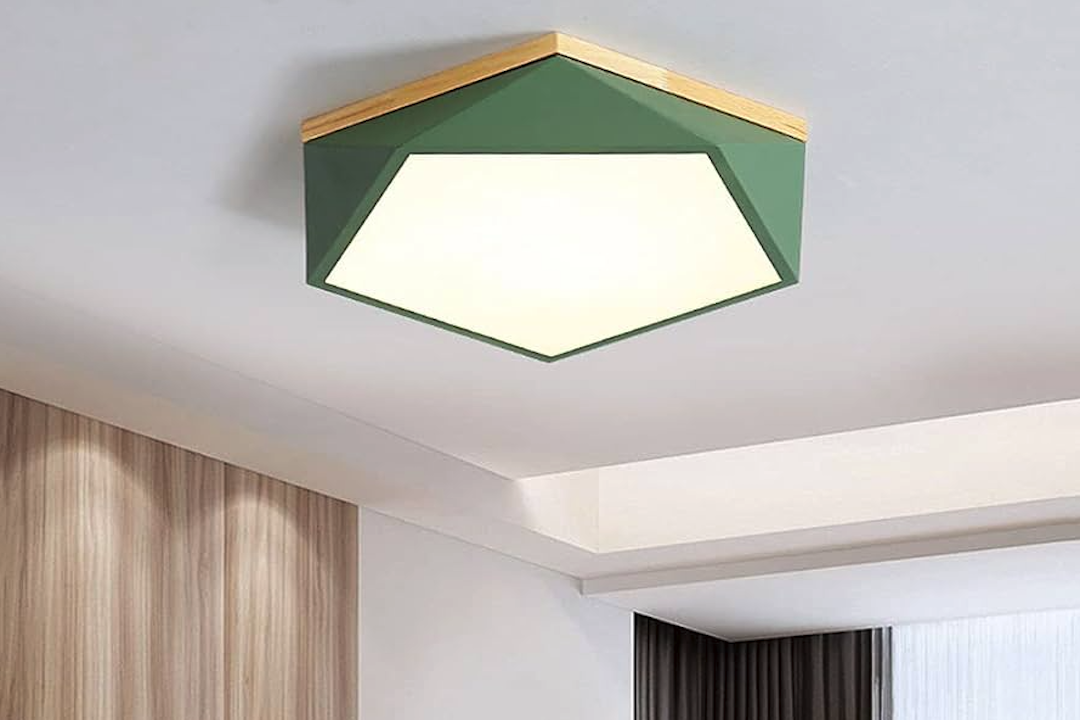
Looking to illuminate your dining space with something a bit different, but still warm and inviting? A minimalist geometric wood ceiling lamp could be just what you need. It offers a stylish blend of natural materials and clean lines, providing ample light without overwhelming your decor. This type of fixture is fantastic for adding a touch of modern sophistication and a cozy atmosphere, making your dining room feel both contemporary and welcoming.
At first glance, wood and geometry might seem like an unlikely pairing for a light Yigolighting fixture. Wood often evokes images of rustic charm or traditional craftsmanship, while geometric designs usually suggest modernism and clean lines. However, a minimalist geometric wood ceiling lamp beautifully bridges these two worlds, creating a unique and appealing aesthetic.
The Warmth of Wood
Wood, as a material, inherently brings warmth and a sense of grounding to any space. Unlike cold metals or stark plastics, wood has a natural texture and grain that adds character. Each piece of wood is unique, meaning your lamp will have its own subtle variations and story.
- Natural Appeal: It connects your interior to the natural world.
- Tactile Quality: Even from a distance, the wood’s texture is perceived.
- Versatility in Finishes: From light ash to dark walnut, wood offers a spectrum of colors.
The Clarity of Geometry
Geometric designs, on the other hand, offer structure, balance, and a sense of order. In a minimalist context, they strip away unnecessary ornamentation, focusing on pure form. This simplicity allows the material itself to shine.
- Modern Aesthetic: Clean lines are a hallmark of contemporary design.
- Visual Interest: Shapes like cubes, pyramids, or interconnected lines create engaging patterns.
- Balance and Order: Geometry provides a sense of calm and precision.
The Synergy of Both
When wood is used to construct geometric forms, the result is a lamp that is both visually striking and comfortably familiar. The sharp angles of the geometry are softened by the organic nature of the wood, preventing the fixture from appearing too cold or sterile. It’s a harmonious blend that suits various interior styles, from Scandinavian to industrial, or even an eclectic mid-century modern look.
Design Principles for Minimalist Wood Lamps
Minimalism isn’t just about having less; it’s about having exactly what you need, exquisitely designed. For a dining room ceiling lamp, this means focusing on core elements: form, material, and function. The goal is to create a lighting solution that enhances the space without dominating it.
Form Follows Function (and Beauty)
In minimalist design, the shape of an object is often dictated by its purpose. For a lamp, this means considering how the light is cast, how easy it is to install, and how it interacts with the surrounding architecture.
- Simplicity of Shape: Think clean cubes, interconnected lines, or abstract natural forms.
- Proportion and Scale: The lamp should be appropriately sized for your dining table and room. A massive lamp in a small room can feel claustrophobic, while a tiny lamp in a large room might get lost.
- Negative Space: The empty spaces within the geometric structure are just as important as the solid parts, allowing light to filter through in interesting ways.
Material Honesty
Minimalist design celebrates the inherent qualities of materials. With a wooden lamp, this means appreciating the grain, the feel, and even the subtle scent of the wood. Finishes are often subtle, allowing the natural beauty to come through.
- Natural Wood Tones: Often left unstained or lightly oiled to preserve the wood’s original color.
- Sustainable Sourcing: Many contemporary designers prioritize ethically sourced or recycled wood.
- Subtle Joins: The way pieces of wood are connected is often visible and celebrated as part of the design.
Integrated Lighting
The light source itself is often cleverly integrated into the design, rather than being an obvious bulb hanging down. This contributes to the clean, uncluttered aesthetic.
- LED Strips: Often hidden within the wooden frame, providing a soft, diffused glow.
- Frosted Diffusers: Used to soften the light and eliminate harsh shadows.
- Upward/Downward Illumination: Thoughtful placement of light to create specific moods.
Choosing the Right Wood Type
The type of wood you choose for your minimalist geometric lamp will significantly impact its appearance, durability, and even its overall feel. Each wood variety has its own color, grain pattern, and characteristics.
Light Woods: Birch, Maple, Ash
These woods generally have a lighter, often yellowish or creamy hue, with subtle grain patterns. They are excellent choices for creating a bright, airy, and contemporary feel.
- Birch: Known for its fine, even grain and light color. It’s a sturdy wood that takes stains well, but often looks best in its natural state. Perfect for Scandinavian-inspired interiors.
- Maple: Hard and durable, maple has a light, creamy color and a very smooth, uniform texture. Its subtle grain makes it ideal for clean, modern designs where the form is paramount.
- Ash: Similar in color to oak but with a more pronounced, often streaky grain. Ash is strong but also flexible, making it suitable for more intricate geometric patterns. It brings a touch of natural dynamism to a minimalist piece.
Medium Woods: Oak, Walnut, Teak
These woods offer richer, warmer tones and more distinct grain patterns, adding a touch of sophistication and depth to your dining room.
- Oak: A classic choice, oak is robust and has a prominent, open grain. Available in various shades from white to red oak, it adds a timeless, sturdy character. It can feel more traditional but works surprisingly well in geometric designs when finished cleanly.
- Walnut: Prized for its rich, dark brown color and beautiful, often wavy grain. Walnut lamps exude elegance and luxury, adding a warm, opulent touch without being overtly decorative. It pairs wonderfully with darker color palettes and metallic accents.
- Teak: Known for its durability and natural oils, teak has a warm golden-brown color that darkens over time. While often associated with outdoor furniture, it makes a striking and long-lasting indoor fixture, particularly in designs that embrace natural variations.
Exotic or Darker Woods
For a more dramatic statement, some designers venture into darker or more distinct wood types.
- Wenge: A very dark, almost black wood from Africa with distinctive lighter streaks. It makes a bold, luxurious statement, perfect for high-contrast minimalist designs.
- Bamboo: Technically a grass, bamboo is incredibly strong and has a unique segmented pattern. It’s an eco-friendly choice with a light, fresh appearance, often used for more intricate geometric weaving or slatted designs.
When making your choice, consider the existing wood tones in your dining room (flooring, furniture) to ensure harmony. However, don’t be afraid to introduce a contrasting wood if it adds to the overall aesthetic you’re aiming for.
Integrating with Interior Styles
A minimalist geometric wood ceiling lamp is surprisingly versatile. While it perfectly complements modern and Scandinavian interiors, its clean lines and natural materials allow it to blend seamlessly with a variety of other popular design aesthetics.
Modern & Contemporary
This is its natural habitat. The lamp’s clean forms, often with exposed wood grain and subtle finishes, align perfectly with the minimalist ethos of modern design.
- Clean Lines: Emphasize the lamp’s sharp angles and uncluttered silhouette.
- Neutral Palette: Pair with whites, grays, and subtle accent colors to let the lamp stand out.
- Functional Furnishings: Complement with sleek dining tables and chairs that prioritize form and utility.
Scandinavian
The emphasis on natural materials, light tones, and functional beauty makes these lamps a perfect fit for Scandinavian design.
- Light Woods: Opt for birch, maple, or light ash to enhance the airy feel.
- Cozy Hygge: The warmth of the wood contributes to a comfortable, inviting atmosphere.
- Simplified Decor: Keep surrounding decorations minimal and organic.
Mid-Century Modern
The geometric shapes and emphasis on natural materials often echo the design sensibilities of the mid-20th century.
- Warm Tones: Walnut or teak can complement period furniture well.
- Organic Shapes: Some geometric designs might be softened with rounded edges or more fluid forms, aligning with mid-century organic modernism.
- Eames-Era Vibe: The lamp can serve as a focal point reminiscent of iconic designs from that era.
Industrial
While industrial design often leans on metal, the raw, unfinished quality of wood in geometric forms can create an excellent balance.
- Darker Woods: A dark walnut or a stained oak can stand up to the boldness of industrial elements.
- Exposed Elements: The lamp’s structure can mirror exposed beams or ductwork.
- Contrast with Metal: Pair the wood lamp with black metal chairs or a metal-legged table for an appealing juxtaposition.
Bohemian (Boho Chic)
Yes, even in a bohemian setting, a minimalist wood lamp can work. The key is how it’s integrated with other natural textures.
- Textural Contrast: The clean lines of the lamp can provide a grounding element amidst woven textiles, pottery, and vibrant patterns.
- Handcrafted Feel: Many wooden lamps retain a sense of artisanal craftsmanship that aligns with boho values.
- Earth Tones: Natural wood tones harmonize with the earthy color palettes often found in boho spaces.
Practical Considerations for Installation and Lighting
Beyond aesthetics, it’s crucial to think about the practical aspects of installing and living with your minimalist geometric wood ceiling lamp. Light quality, placement, and maintenance all play a role in your satisfaction.
Proper Placement and Height
The location and suspension height of your dining room lamp are paramount for both functionality and visual appeal.
- Centering Over the Table: The lamp should ideally be centered over your dining table, not the room itself. This ensures practical illumination where it’s needed most.
- Optimal Height: A good rule of thumb is to hang the bottom of the lamp roughly 30-36 inches (75-90 cm) above the tabletop. This allows for sufficient light without obstructing views or creating glare. Adjust based on ceiling height and lamp size. Taller ceilings might benefit from a slightly higher hang, while a very large lamp might need to be a bit higher to not feel overwhelming.
- Room Clearance: Ensure there’s ample headroom when people stand or walk around the table.
Lumens, Color Temperature, and Dimming
The type of light emitted is just as important as the fixture itself.
- Adequate Lumens: For a dining room, you’ll want enough light to see your food clearly, but not so much that it feels like an operating room. Aim for around 2000-4000 lumens, depending on table size and natural light availability. Many minimalist lamps use integrated LED strips, so check the manufacturer’s specifications.
- Color Temperature (Kelvin):
- Warm White (2700K-3000K): Creates a cozy, inviting atmosphere, perfect for relaxed dining and entertaining. This is usually the preferred choice for dining rooms.
- Neutral White (3500K-4000K): Brighter and more energetic, suitable if you also use your dining table for tasks like homework or crafts.
- Dimmer Compatibility: A dimmer switch is almost a necessity in a dining room. It allows you to adjust the light level from bright task lighting to a soft, ambient glow for romantic dinners or casual conversations. Ensure your chosen lamp and bulbs are dimmable.
Maintenance and Longevity
Wood is a natural material that needs a bit of care to maintain its beauty.
- Dusting: Regular dusting with a soft, dry cloth is usually sufficient. For intricate geometric designs, a soft brush or compressed air can help get into crevices.
- Cleaning Spills: If anything splatters on the wood, wipe it immediately with a slightly damp cloth and then dry thoroughly. Avoid harsh chemical cleaners, as they can damage the wood finish.
- Wood Finishes: Most lamps will have a protective finish (oil, lacquer, or wax). Understand the type of finish so you know how to care for it. Oiled finishes might benefit from occasional re-oiling to maintain their luster.
- LED Lifespan: If your lamp has integrated LEDs, remember they have a long but finite lifespan. Check if the LEDs are replaceable or if the entire unit needs to be serviced/replaced once they burn out. This is an important consideration for long-term commitment.
By thoughtfully considering these practical aspects, your minimalist geometric wood ceiling lamp will not only look fantastic but also serve as a functional and cherished part of your dining experience for years to come.