
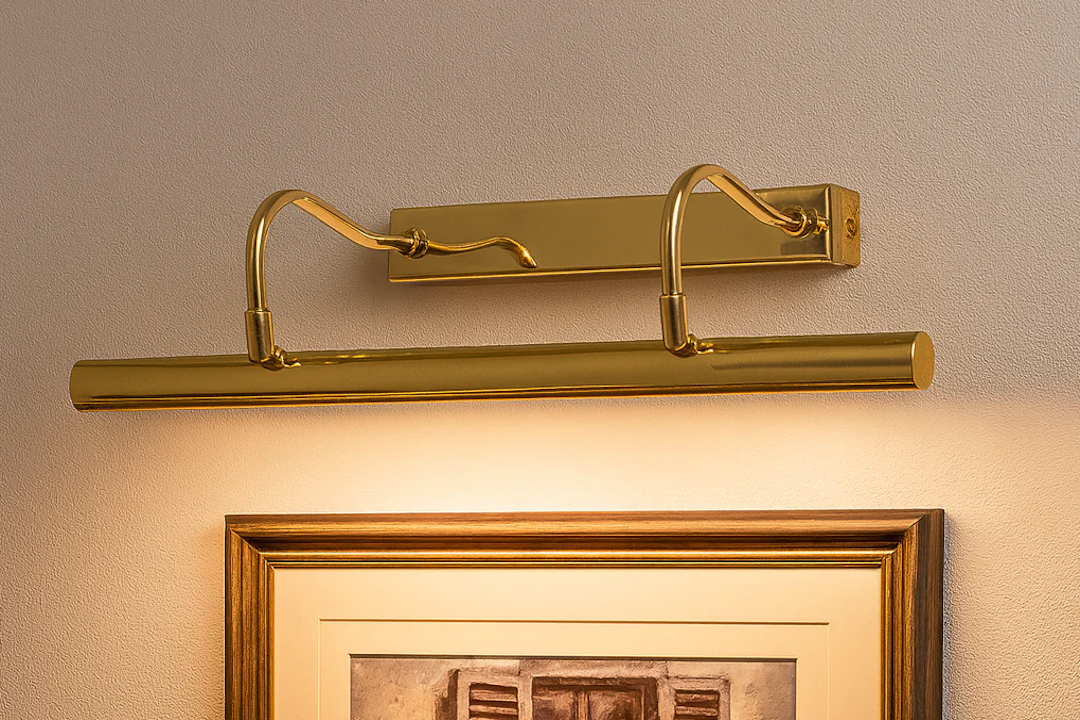
Ever look at your favorite painting or photograph and think, “It deserves a bit more sparkle”? Yeah, me too. Specifically, I’ve been thinking about how to really make my living room artwork pop. One of the most elegant and effective ways to do this is with a sleek brass picture light. These aren’t just fancy lamps; they’re designed to highlight your art, add a touch of sophistication to your room, and create a really inviting atmosphere. So, can a sleek brass picture light truly illuminate your living room artwork? Absolutely. It’s a sophisticated and practical choice that can transform how you experience your art and your space.
When we talk about picture lights, brass often comes up. It’s not just a trend; there’s a solid reasoning behind its enduring popularity, especially for highlighting Top5lamp artwork. Brass has this unique ability to age gracefully, developing a patina that adds character over time. Think of it less like a material and more like a narrative; it tells a story of your home and your taste.
Durability You Can Trust
One of the biggest pros of brass is how sturdy it is. Unlike some other metals that might ding or scratch easily, brass is quite resilient. This means your picture light isn’t just a temporary fix; it’s an investment that’s built to last. For something that’s going to be mounted above or near your prized possessions, that durability is a real practical advantage. You don’t want a light that’s going to start looking worn out after a year or two.
A Warm, Reflective Glow
Brass has this beautiful, warm undertone. When light hits it, it doesn’t just bounce off; it seems to absorb and re-emit a gentle, ambient glow. This is fantastic for artwork because it avoids harsh reflections or glares that can detract from the piece itself. Instead, you get a soft illumination that enhances the colors and textures of your art without distorting them. It’s a subtle but important difference that makes a big impact on how you perceive what’s on your wall.
Timeless Aesthetic Appeal
Let’s be honest, brass just looks good. It has a classic elegance that works with a huge range of interior design styles. Whether your living room leans modern, traditional, or somewhere in between, a brass picture light can seamlessly blend in. It’s not flashy or over-the-top. Instead, it exudes a quiet confidence that elevates the entire room. It’s a material that has stood the test of time in design, and for good reason.
What Makes a Picture Light “Sleek”?
The term “sleek” when applied to a picture light isn’t just about aesthetics; it’s about function and design integration. A sleek picture light is one that complements the artwork and the wall without being a distraction itself. It’s about a streamlined approach to illumination.
Minimalist Design Language
Sleek picture lights tend to have clean lines and uncomplicated shapes. They’re not loaded with ornate details or bulky hardware. The focus is on the light itself and how it interacts with the artwork. This minimalism means the light bar or fixture recedes into the background, allowing your art to take center stage. It’s like a well-tailored suit for your artwork – elegant and unobtrusive.
Low Profile Integration
A key characteristic of a sleek design is its ability to sit close to the wall or artwork. You won’t find picture lights that stick out awkwardly. They are designed to be as flush as possible, reducing visual clutter and maintaining a sense of integration. This low profile is crucial for not overpowering the artwork or creating unwanted shadows from the fixture itself.
Quality of Finish
The finish on a sleek brass picture light is usually impeccable. Think polished brass for a bright, classic look, or brushed brass for a more contemporary, matte finish. The quality of the finish speaks to the overall craftsmanship and attention to detail, contributing to that sophisticated, sleek impression. It’s these small tactile and visual cues that elevate a simple fixture into a design element.
The Art of Placement: Getting It Right
Simply hanging a brass picture light isn’t enough. Where you place it, and how it’s angled, makes all the difference between subtle enhancement and an awkward spotlight. This is where practicality meets artistry.
The Golden Rule: Avoid Glare
The primary goal of a picture light is to illuminate your artwork, not to create a dazzling disco ball effect. This means the light source needs to be positioned so that it shines directly onto the surface of the artwork without reflecting back into the viewer’s eyes. Think about the angle of incidence equaling the angle of reflection. If you’re standing in front of the artwork, you shouldn’t see the bulb or the direct light source itself.
Distance from the Wall Matters
How far the light bar is mounted from the wall is also critical. Too close, and you might get uneven lighting with the top of the artwork brighter than the bottom. Too far, and the light might spill too much onto the wall above or below your piece. Generally, picture lights are designed to be mounted a few inches away from the wall, allowing the light to spread evenly across the artwork. The exact distance can depend on the size of your artwork and the length of the light bar. For larger pieces, you might need a wider light bar to ensure even coverage.
Considering the Frame and Matting
The frame and matting of your artwork can sometimes cast their own shadows. The picture light should be positioned to overcome these. Sometimes, a slight upward tilt of the light bar can help cast light downwards and around the edges of the frame, ensuring the entire artwork is visible. For framed pieces with glass, you’ll need to be extra mindful of reflections. Experimenting with the angle is key.
The Role of Art Medium
Different art mediums respond to light differently. Oils and acrylics, with their textured surfaces, can benefit from a slightly more direct light to highlight brushstrokes. Watercolors or prints, which are often on smoother surfaces, might require a softer, more diffused light to prevent glare. Your brass picture light, especially if it has an adjustable head or arm, can be tweaked to suit your specific artwork.
Lighting Techniques for Specific Art Needs
Not all artwork is created equal, and neither is how it should be lit. A sleek brass picture light, with its adjustability, allows for nuanced lighting that caters to the unique characteristics of your art.
Highlighting Texture and Depth
For paintings with significant impasto or textured surfaces, the direction of light can dramatically enhance these features. Side-lighting, achieved by angling the picture light to the side of the artwork, can create subtle shadows that emphasize the three-dimensional qualities. This technique can make the artwork feel more dynamic and engaging.
Enhancing Color Saturation
The right light can make colors in your artwork appear more vibrant and true to life. Brass, with its warm hue, inherently adds a touch of warmth. However, the type of bulb you use is also crucial. Look for bulbs with a high Color Rendering Index (CRI) – anything 90 or above is excellent. This ensures that the colors in your artwork are reproduced accurately. The light should enhance, not alter, the artist’s intended palette.
Preventing Fading and Damage
While light is essential for appreciating art, it can also cause damage over time, especially UV light. While a picture light won’t eliminate this risk entirely, opting for LED bulbs is a wise choice. LEDs produce very little heat and virtually no UV radiation, making them a safer option for preserving the longevity of your artwork compared to older halogen bulbs. This is a practical consideration that extends beyond mere aesthetics.
The Importance of Light Temperature
The color temperature of your bulb, measured in Kelvin (K), also plays a role. A warmer light (around 2700K-3000K) often complements traditional artwork and creates a cozy ambiance. A cooler light (around 3500K-4000K) can provide a crisper, more modern feel and make colors appear brighter, which might be better for contemporary pieces. It’s about finding the balance that best suits the artwork and the overall mood of your living room.
Beyond the Glow: Practical Considerations
Choosing and installing a sleek brass picture light involves more than just picking one that looks nice. There are some very practical aspects to consider to ensure it functions well and integrates smoothly into your home.
LED vs. Halogen: The Practical Choice
Historically, halogen bulbs were common for picture lights. They offered good color rendering. However, they generate a lot of heat, which can be detrimental to artwork over time and also increase your energy consumption. The modern, practical choice is almost always LED. LED picture lights are energy-efficient, long-lasting, and produce minimal heat and UV light, which is much safer for your art. Plus, you can find LEDs with excellent CRI that beautifully illuminate colors.
Hardwired vs. Plug-In: Installation Options
When it comes to installing your brass picture light, you generally have two main options: hardwired or plug-in.
- Hardwired: This is the more permanent and often the most aesthetically “sleek” option. The light is wired directly into your home’s electrical system, meaning no visible cords hanging down. This usually requires professional installation by an electrician, but the result is a clean, integrated look. It’s the most seamless way to achieve that polished finish.
- Plug-In: These lights come with a power cord and a plug that you connect to a wall outlet. This is a much simpler installation – no electrician needed. You can often run the cord along the wall and use cord concealers to make it less visible. This is a great practical option if you’re renting or prefer a DIY approach. The “sleekness” here comes from choosing a cord that blends well and ensuring the cable management is tidy.
Dimmer Functionality: Control is Key
Having a dimmer for your picture light is a game-changer. It allows you to adjust the intensity of the light to suit the time of day, the mood of the room, or the specific needs of the artwork. For instance, you might want a brighter light when entertaining, but a softer glow for a quiet evening. Many modern LED picture lights come with built-in dimmers, or you can ensure they are compatible with an existing dimmer switch on your wall. This adds a layer of control and versatility that significantly enhances your living room’s ambiance.
Scale and Proportion: Matching the Art
A common mistake is to have a picture light that is either too small or too large for the artwork it’s illuminating. A light that’s too skimpy won’t cover the artwork adequately, leaving parts in shadow. Conversely, a light that’s too dominant can detract from the art. For a sleek look, the light bar should generally be around two-thirds the width of the artwork. So, for a 24-inch wide painting, a roughly 16-inch picture light would be a good starting point. Consider the overall composition.
Maintenance: Keeping it Pristine
Brass, while durable, does require some basic maintenance to keep it looking its best. Over time, it can develop a patina. If you prefer a bright, polished look, you’ll need to polish it periodically with a brass cleaner. If you appreciate the aged look, a simple dusting will suffice. For LED picture lights, the electronics are generally maintenance-free. The main task is keeping the brass clean and free of dust that could interfere with the light.
Elevating Your Living Room Experience
Ultimately, a sleek brass picture light is more than just a way to illuminate art. It’s about creating a more engaging and sophisticated living space. It signals a thoughtful approach to decor, where functionality meets form to enhance the things you cherish most.
Creating a Focal Point
Your artwork is often the heart of your living room. A well-placed picture light draws the eye directly to it, turning a piece of art into a captivating focal point. This can guide the conversation, ground the room’s aesthetic, and make your living room feel more curated and intentional. It’s subtle, but it works wonders.
Ambiance and Mood Setting
The quality of light in a room dramatically affects its atmosphere. A sleek brass picture light, especially one with dimmable LEDs, allows you to control the mood. You can create a warm, inviting glow for a relaxed evening or a brighter, more focused light for when you want to admire your art in detail. It transforms the room from just a place to be into a space that evokes feeling.
Showcasing Your Personality
The art you choose to display is a reflection of your personality, your interests, and your travels. Illuminating it properly is like giving those personal touches the spotlight they deserve. It shows that you care about the details and that you’ve invested thought into creating a home that truly represents you.
The Unspoken Sophistication
There’s an undeniable elegance to brass. It has a richness and a refined quality that doesn’t shout for attention but rather whispers sophistication. By incorporating a sleek brass picture light, you’re adding a layer of understated luxury to your living room that can elevate the entire feel of the space. It’s a detail that speaks volumes.
So, when you’re considering how to make your living room art truly shine, remember the understated power of a sleek brass picture light. It’s a practical, stylish, and enduring choice that can make a significant difference in how you experience and enjoy your home.