
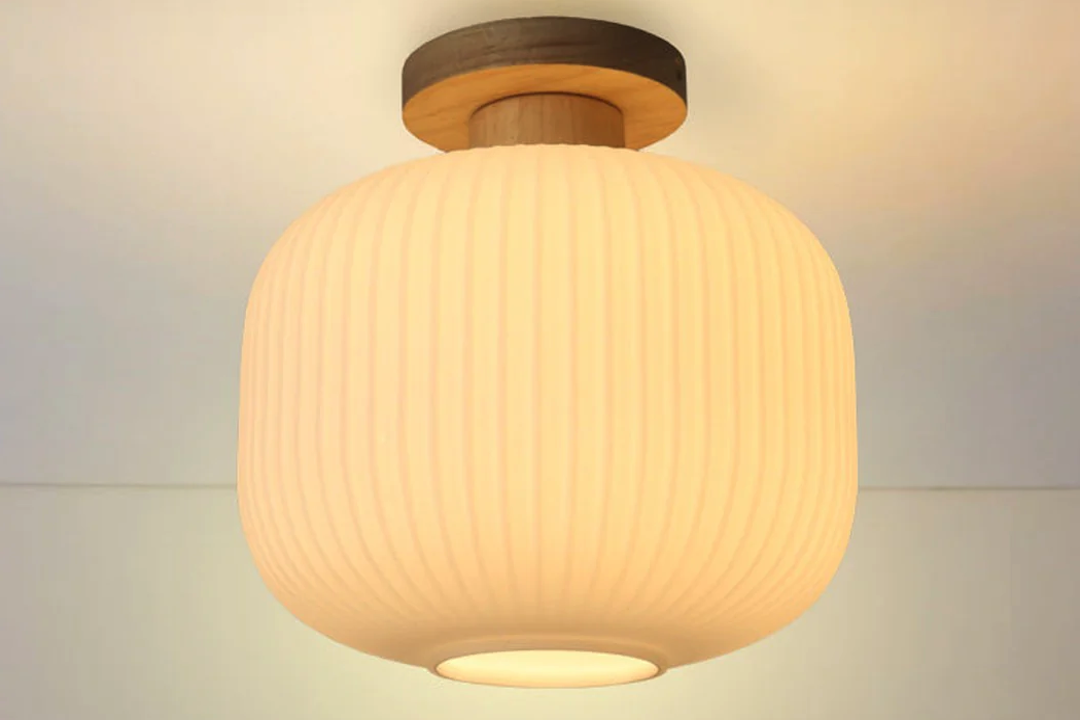
So, you’re wondering how a Japandi-inspired paper shade ceiling lamp can create that soft, ambient room vibe? Simply put, it combines the minimalist elegance of Japanese design with the cozy, functional aesthetic of Scandinavian style, all while diffusing light beautifully through a translucent paper shade. The result is a calming, inviting atmosphere perfect for unwinding.
Before we dive into the lamp Lookinhome itself, let’s quickly touch on what “Japandi” really means in interior design. It’s not just a buzzword; it’s a thoughtful fusion.
What is Japandi?
Japandi is the sweet spot where the rustic, natural elements of Scandinavian design shake hands with the refined, minimalist principles of Japanese aesthetics. Think clean lines, natural materials, and a focus on functionality and craftsmanship. It’s about creating spaces that are both beautiful and incredibly comfortable, without being cluttered.
Key Characteristics of Japandi Design
This style emphasizes simplicity, natural textures, and a calming color palette. It’s about appreciating the beauty of imperfection (wabi-sabi) and finding peace in uncluttered spaces. You’ll see a lot of wood, linen, ceramics, and, of course, paper in Japandi interiors. The goal is to bring a sense of harmony and tranquility into your home.
The Magic of Paper Shades
Paper shades aren’t just for looks; they play a crucial role in how light interacts with your space, especially when aiming for that soft, ambient glow.
Diffused Light for a Gentle Glow
Traditional lamp shades often block or direct light quite intensely. Paper shades, on the other hand, act as natural diffusers. The light passes through the translucent paper, softening its intensity and scattering it evenly throughout the room. This avoids harsh shadows and bright spots, creating a much more inviting atmosphere.
Material Matters: Choosing the Right Paper
Not all paper is created equal. For a lamp shade, you want something durable and with the right light-filtering properties.
Washi Paper
A classic choice, Washi paper is a traditional Japanese paper known for its strength and delicate translucency. Made from natural fibers like mulberry, it offers a beautiful, organic texture and excellent light diffusion. It’s often handmade, adding to its unique charm.
Rice Paper
Similar to Washi, rice paper (though often a misnomer, as it’s typically made from mulberry or other plant fibers) is another popular option. It provides a slightly more uniform diffusion and can be found in various thicknesses.
Other Natural Fiber Papers
Beyond Washi and rice paper, some Japandi-inspired lamps might use other natural fiber papers, perhaps with slight textures or sustainable origins. The key is that the paper allows light to pass through softly without being fully transparent.
Design Elements of a Japandi-Inspired Paper Shade Lamp
When you’re looking for a lamp that truly embodies the Japandi aesthetic, pay attention to these design details.
Form Follows Function: Simple Shapes
Japandi design values functionality and simplicity above all else. This translates into lamp designs that are often understated yet elegant.
Geometric Forms
You’ll frequently see lamps in clean geometric shapes – spheres, cylinders, and sometimes more abstract, organic forms that still maintain a sense of balance. The simplicity of the shape allows the diffused light and the texture of the paper to take center stage.
Minimalist Frameworks
The internal framework of these lamps is often very minimal, sometimes just a thin metal or wood structure that supports the paper shade. This allows the light to radiate freely and prevents any visual clutter.
Natural Materials Beyond Paper
While paper is central, other natural materials complement the design beautifully.
Wood Accents
Light-colored woods like birch, maple, or even bamboo are commonly used for the lamp’s base, frame, or connecting elements. Wood adds warmth and a connection to nature, a core tenet of both Japanese and Scandinavian design.
Subtle Metal Finishes
If metal is used, it’s usually in a matte finish – black, brushed brass, or a soft silver – to avoid drawing too much attention. The aim is to blend seamlessly with the natural aesthetic, not to be a shiny focal point.
Creating the “Soft Ambient Room” Vibe
Now, let’s get into the practical aspects of how this lamp actually transforms your space. It’s about more than just the lamp itself.
The Role of Diffused Light
As mentioned, diffused light is key here. It reduces harsh shadows and provides a gentle, even illumination that is incredibly soothing. Think of it like a cloudy day – bright enough to see, but without any glaring sun.
Reducing Glare and Eye Strain
Direct, focused light can be harsh and cause eye strain. The diffused light from a paper shade lamp is much gentler on the eyes, making it ideal for spaces where you relax, read, or spend extended periods.
Enhancing a Sense of Calm
Soft, warm light wavelengths have been shown to promote relaxation. This type of lighting can help calm the nervous system and create a more tranquil environment, perfect for unwinding after a busy day.
Complementary Lighting Layers
A ceiling lamp, even a beautiful Japandi one, usually shouldn’t be the only light source in a room. Layering different types of lighting is crucial for a well-lit and versatile space.
Task Lighting
For activities like reading or working, you’ll want more focused task lighting. Consider a minimalist floor lamp with a warmer bulb, or a sleek desk lamp that complements the Japandi aesthetic.
Accent Lighting
To highlight artwork, plants, or architectural features, subtle accent lighting can add depth and interest. Small, strategically placed spotlights or even LED strips can achieve this without detracting from the overall calm.
Color Temperature Matters
Beyond brightness, the color of your light bulb plays a massive role in creating the right ambiance.
Warm White for Coziness
For that soft, ambient room, you’ll want bulbs in the “warm white” to “soft white” range (2700K to 3000K). This emits a yellowish-orange glow, similar to candlelight, which is inherently cozy and inviting. Avoid cooler temperatures (anything above 4000K), which can feel stark and office-like.
Dimmable Options for Versatility
A dimmable light fixture is a game-changer. It allows you to adjust the intensity of the light depending on the time of day, your mood, or the activity. Fully bright for cleaning, softly dimmed for an evening wind-down – it offers incredible flexibility.
Placement and Integration in Your Home
Where you put your Japandi paper shade lamp greatly influences its impact. It’s not just about hanging it; it’s about making it part of the overall design.
Living Room Centerpiece
In a living room, a larger Japandi paper shade ceiling lamp can serve as a beautiful focal point. Its soft light will create an inviting atmosphere for conversations and relaxation.
Over a Coffee Table
Placing it centrally over a coffee table draws the eye and defines the seating area, creating an intimate zone.
As a General Ambient Light
Even if not directly over a table, its diffused light can provide excellent general ambient illumination for the entire space, especially if paired with other light sources.
Bedroom Sanctuary
This type of lamp is particularly well-suited for bedrooms, where peace and tranquility are paramount.
Central Lighting for Relaxation
Its soft glow is perfect for getting ready for bed, reading, or simply unwinding. It avoids the harshness of direct overhead lighting that can be disruptive before sleep.
Complementing Bedside Lamps
Pair it with minimalist bedside lamps that offer more direct light for reading, but keep the overhead lamp for general, gentle illumination.
Dining Area Serenity
While some dining rooms opt for brighter light, a Japandi paper shade can create a wonderfully intimate dining experience.
Above the Dining Table
Positioned above the dining table, it casts a beautiful, soft glow over meals, making dinners feel more special and relaxed. It encourages longer conversations rather than quick meals.
Setting a Calming Mood
The diffused light ensures that everyone at the table feels comfortable and enhances the warm ambiance, perfect for entertaining or quiet family meals.
Other Spaces: Entryways and Hallways
Don’t underestimate the power of good lighting in transition zones.
Welcoming Entryways
A Japandi lamp in an entryway can set a calming and welcoming tone as soon as you step into your home.
Softening Hallways
In hallways, it removes the feeling of a harsh, utilitarian passage, transforming it into a softer, more integrated part of your living space.
Maintenance and Care
Like any lighting fixture, a paper shade lamp needs a little care to keep it looking its best.
Cleaning Your Paper Shade
Paper can attract dust, so regular, gentle cleaning is essential.
Dusting with a Soft Brush or Cloth
Use a soft, dry brush or a microfiber cloth to gently dust the shade periodically. Avoid any abrasive materials that could tear or damage the paper.
Vacuum Attachment (Low Suction)
For more stubborn dust, a vacuum cleaner with a brush attachment on a very low suction setting can be effective. Be extremely careful and gentle.
Handling and Installation Tips
Paper shades are delicate, so mindful handling is important.
Gentle Handling
Always handle the shade gently. Avoid pinching or creasing the paper, as this can leave permanent marks.
Professional Installation If Needed
If the lamp is large or complex to assemble and install, consider hiring a professional to avoid accidental damage to the shade or electrical components.
Longevity and Replacements
While durable for paper, they aren’t indestructible.
Protecting from Moisture
Keep paper shades away from high-humidity areas or direct exposure to moisture, as this can warp or damage the paper.
Replacing Damaged Shades
If your shade does get damaged, many manufacturers offer replacement shades, so you don’t have to replace the entire fixture. This makes it a more sustainable choice in the long run.
In essence, a Japandi-inspired paper shade ceiling lamp isn’t just about illuminating a room; it’s about crafting an experience. It’s about creating a personal sanctuary where light isn’t just functional, but an active participant in fostering peace and comfort. By understanding its design principles and how it interacts with light, you can bring that sought-after soft, ambient room feel directly into your home.