
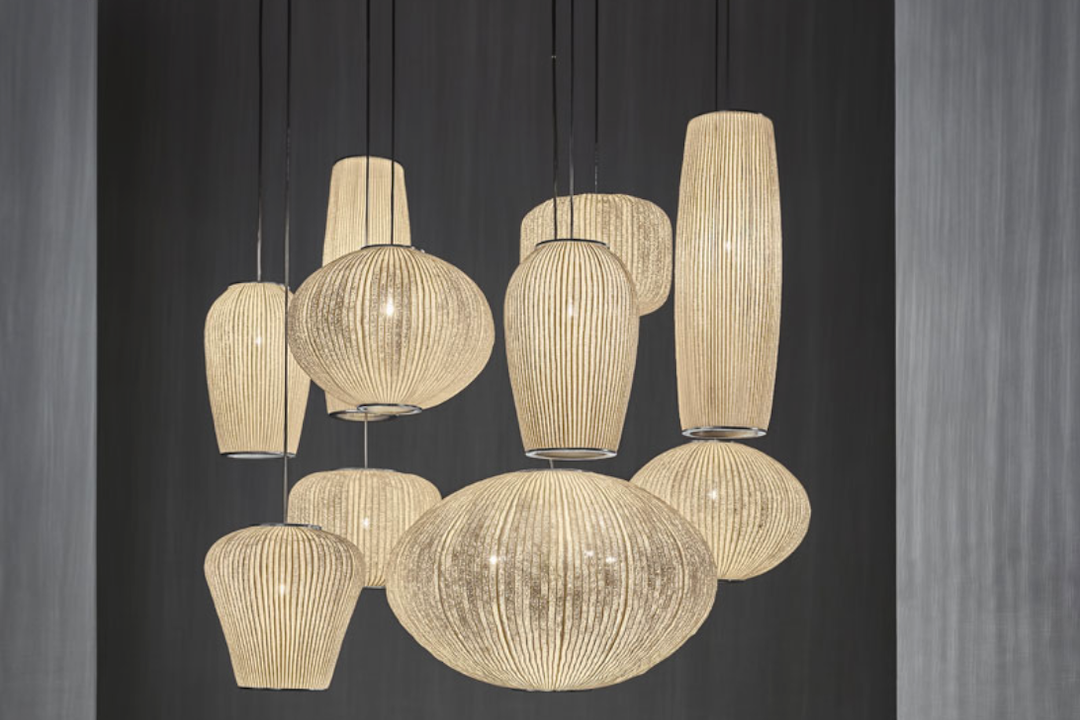
The coral-shaped pendant light has emerged as a striking fixture in contemporary interior design, captivating homeowners and designers alike with its unique aesthetic and functional qualities. This lighting piece draws inspiration from the intricate forms found in marine life, particularly coral reefs, which are celebrated for their organic shapes and vibrant colors. The pendant light not only serves as a source of illumination but also acts as a sculptural element that can transform a space, adding depth and character.
As more individuals seek to incorporate nature-inspired elements into their homes, the coral-shaped pendant light Loxtonlighting stands out as a perfect blend of artistry and utility. In recent years, the trend towards biophilic design—an approach that seeks to connect people with nature—has gained significant traction. The coral-shaped pendant light embodies this philosophy by mimicking the fluidity and complexity of underwater ecosystems.
Its design often features flowing lines and textured surfaces that evoke the delicate structures of coral formations. This article delves into the various aspects of the coral-shaped pendant light, exploring its design inspiration, materials, functionality, installation, styling tips, and maintenance requirements.
Design Inspiration and Concept
The design of the coral-shaped pendant light is deeply rooted in the natural world, drawing from the diverse forms and colors found in coral reefs. These underwater ecosystems are not only visually stunning but also play a crucial role in maintaining marine biodiversity. Designers often look to these natural wonders for inspiration, translating their organic shapes into functional art pieces that can enhance interior spaces.
The fluidity of coral formations is reflected in the soft curves and intricate details of the pendant light, creating a sense of movement and life within a room. Moreover, the concept behind the coral-shaped pendant light extends beyond mere aesthetics; it embodies a commitment to sustainability and environmental awareness. Many designers are now incorporating eco-friendly materials and production methods into their creations, ensuring that these beautiful fixtures do not come at the expense of the planet.
By using sustainable practices, such as sourcing materials responsibly and minimizing waste during production, designers aim to create pieces that not only beautify spaces but also promote a greater respect for nature.
Materials and Construction
The materials used in crafting coral-shaped pendant lights vary widely, reflecting both the artistic vision of the designer and the intended use of the fixture. Common materials include metal, glass, resin, and even biodegradable options that align with eco-conscious design principles. Metal is often employed for its durability and versatility; it can be molded into intricate shapes that mimic coral structures while providing a sturdy framework for the light fixture.
Finishes such as matte white or brushed gold can enhance the organic feel of the design while adding a touch of elegance. Glass is another popular choice, particularly for its ability to diffuse light beautifully. Designers may use hand-blown glass techniques to create unique shapes that resemble coral branches or clusters.
This method allows for variations in color and texture, resulting in one-of-a-kind pieces that capture the essence of underwater life. Additionally, advancements in technology have led to the development of lightweight yet durable materials like resin, which can be molded into complex forms while remaining cost-effective. The construction process of these pendant lights often involves meticulous craftsmanship.
Artisans may spend hours shaping and assembling each component to ensure that the final product reflects the beauty of its natural inspiration. This attention to detail not only enhances the aesthetic appeal but also contributes to the overall quality and longevity of the fixture.
Illumination and Functionality
While the coral-shaped pendant light is undoubtedly a visual centerpiece, its functionality as a source of illumination is equally important. These fixtures are designed to provide ambient lighting that enhances the atmosphere of a room without overwhelming it. The strategic placement of light sources within the fixture allows for a soft glow that can create a warm and inviting environment.
Depending on the design, some coral-shaped pendant lights may also incorporate adjustable features or multiple bulbs to offer versatility in lighting options. In addition to ambient lighting, these pendants can serve as task lighting in specific areas such as dining tables or kitchen islands. The focused illumination provided by well-placed pendant lights can enhance visibility for activities like reading or cooking while maintaining an aesthetically pleasing ambiance.
Many designs also allow for compatibility with dimmer switches, enabling users to adjust the brightness according to their needs or mood. Furthermore, energy efficiency is an increasingly important consideration in modern lighting design. Many coral-shaped pendant lights now utilize LED technology, which not only reduces energy consumption but also extends the lifespan of the fixture.
This shift towards sustainable lighting solutions aligns with broader trends in eco-friendly home design, making these pendants an attractive option for environmentally conscious consumers.
Installation and Placement
Installing a coral-shaped pendant light requires careful consideration of both aesthetics and functionality. The height at which the fixture is hung plays a crucial role in its effectiveness as a light source as well as its visual impact within a space. Generally, pendant lights should be suspended approximately 30 to 36 inches above dining tables or kitchen islands to provide adequate illumination without obstructing views or creating an overwhelming presence.
When selecting a location for installation, it is essential to consider the overall layout and design of the room. A single coral-shaped pendant can serve as a focal point in smaller spaces, while multiple fixtures can be used to create a cohesive look in larger areas. For instance, hanging several smaller pendants in a linear arrangement above a kitchen island can enhance both functionality and style, drawing attention to this central gathering space.
Additionally, electrical considerations must be taken into account during installation. It is advisable to consult with a licensed electrician to ensure that wiring is properly installed and meets safety standards. This step is particularly important when dealing with heavier fixtures or complex designs that may require additional support.
Styling and Decor Tips
Incorporating a coral-shaped pendant light into your home decor offers numerous opportunities for creative expression. These fixtures can complement various design styles, from coastal chic to modern minimalism. When styling around a coral-shaped pendant light, consider the color palette and materials used throughout the space.
For instance, pairing a white or soft pastel pendant with natural wood elements can evoke a serene beachside atmosphere. Layering textures is another effective way to enhance the visual appeal of your decor. Combining smooth surfaces with organic shapes can create an interesting contrast that draws attention to the pendant light itself.
For example, placing a coral-shaped pendant above a rustic wooden dining table surrounded by upholstered chairs can create an inviting dining experience that feels both stylish and comfortable. Moreover, consider using complementary decor elements to further highlight the pendant light’s unique design. Accessories such as ocean-inspired artwork, decorative shells, or even plants can reinforce the marine theme while adding depth to your overall decor scheme.
By thoughtfully curating your space around the coral-shaped pendant light, you can create an environment that feels cohesive and harmonious.
Maintenance and Care
Maintaining a coral-shaped pendant light is essential for preserving its beauty and functionality over time. Regular cleaning is necessary to prevent dust buildup and ensure optimal illumination. Depending on the materials used in construction, cleaning methods may vary.
For metal fixtures, a soft cloth dampened with mild soap and water can effectively remove grime without damaging the finish. Glass components may require specialized glass cleaner to maintain clarity and shine. In addition to routine cleaning, it is important to periodically check for any signs of wear or damage.
Inspecting electrical components such as wiring and bulbs ensures that everything is functioning properly and safely. If any issues are detected—such as flickering lights or unusual sounds—consulting with a professional electrician is advisable to address potential problems before they escalate. For those who choose eco-friendly materials or finishes, it’s worth noting that some may require specific care instructions to maintain their integrity over time.
Understanding how different materials react to cleaning agents or environmental factors can help prolong the life of your coral-shaped pendant light.
Conclusion and Final Thoughts
The coral-shaped pendant light represents more than just an innovative lighting solution; it embodies a connection to nature that resonates deeply with contemporary design sensibilities. By drawing inspiration from marine life and incorporating sustainable practices into its creation, this fixture serves as both an artistic statement and a functional element within any space. Its unique design allows it to adapt seamlessly across various decor styles while providing essential illumination.
As homeowners increasingly seek ways to bring nature indoors, the coral-shaped pendant light stands out as an ideal choice for those looking to enhance their living environments with beauty and purpose. Whether used as a focal point in a dining area or as part of an eclectic arrangement in a living room, this lighting fixture has the power to transform spaces into serene havens inspired by the wonders of the ocean. With proper care and thoughtful styling, these pendants can continue to illuminate homes while celebrating the intricate beauty of our natural world for years to come.