
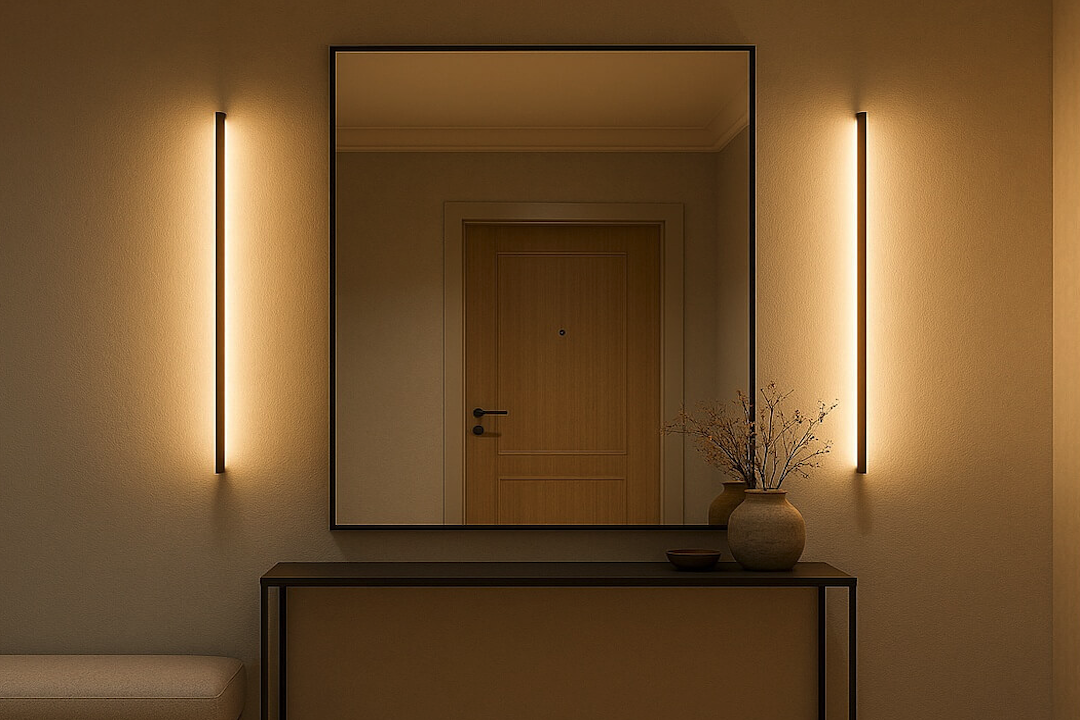
Industrial exposed bulb sconces can be an excellent choice for corridor design, offering a blend of functional illumination and a distinct aesthetic. They contribute to a well-lit space while adding character, particularly in environments aiming for a rugged, modern, or vintage industrial feel. The effectiveness of these fixtures boils down to proper placement, appropriate bulb selection, and considering the overall architectural context.
Choosing exposed bulb sconces for a corridor isn’t just about throwing some light Lookinhome on the walls. It’s a deliberate design decision that impacts both the mood and utility of the space.
Aesthetic Appeal
Industrial exposed bulb sconces bring a raw, honest aesthetic to a corridor. Unlike fixtures that hide the light source, these celebrate it. The simplicity of a visible bulb, often paired with minimal metalwork, can evoke a sense of utilitarian beauty.
Embracing Industrial Charm
The term “industrial” often conjures images of factories and workshops, which, surprisingly, translates well into modern interior design. Exposed bulbs, conduit-style wiring, and sturdy metal finishes like matte black, bronze, or aged brass contribute to this look. It’s about showcasing the function and materials, rather than concealing them.
Versatility in Style
While inherently industrial, these sconces can transcend a single aesthetic. They can complement minimalist designs by providing a rugged counterpoint, or enhance a vintage-inspired space. With the right bulb, they can even soften into a contemporary-rustic style.
Functional Lighting
Beyond their looks, these sconces are highly functional, especially in corridors where consistent and unobtrusive lighting is key.
Ambient Light Contribution
Sconces are primarily for ambient and accent lighting. In a corridor, they can provide a soft, even glow that, when spaced correctly, eliminates harsh shadows and creates a welcoming path. The exposed bulb design often means a broader spread of light compared to fixtures with heavy diffusers.
Wall Washing Effects
Many exposed bulb sconces, particularly those with upward or downward-facing bulbs, can “wash” the wall with light. This technique highlights textural elements on the wall, like exposed brick or paneling, and can make a corridor feel more expansive by illuminating vertical surfaces.
Key Considerations for Installation
Proper installation is crucial for both the aesthetic and functional performance of exposed bulb sconces in a corridor. It’s not just about mounting them; it’s about thoughtful placement.
Spacing and Height
The distance between sconces and their height on the wall significantly impact the overall lighting effect and the perception of the corridor’s length and width.
Optimal Spacing Guidelines
A common rule of thumb for corridor sconce spacing is to place them roughly 6 to 8 feet apart, though this can vary based on the desired light level and the length of the corridor. In long corridors, consistency is key to avoiding dark spots or overly bright areas. For shorter corridors, fewer, strategically placed sconces might suffice. Consider the light spread of the chosen bulb; a wider beam angle might allow for greater spacing.
Ideal Mounting Height
Generally, sconces are mounted at eye level or slightly above, typically between 60 to 72 inches from the finished floor. This height aims to prevent glare from the exposed bulb while still providing effective illumination to the path below. In corridors with very high ceilings, they might need to be mounted higher to maintain proportion, but always be mindful of glare for average-height individuals.
Electrical Planning
Integrating exposed bulb sconces requires careful consideration of the electrical infrastructure, especially in retrofits.
Wiring and Junction Boxes
Each sconce will require a junction box for safe and compliant electrical connection. Planning the location of these boxes early in the design process is important. For an industrial look, sometimes conduit is run externally, making the wiring part of the aesthetic. However, ensuring proper grounding and professional installation is paramount.
Dimming Capabilities
Corridors can benefit greatly from dimmable lighting. Installing a dimmer switch allows for flexibility in setting the mood or adjusting light levels based on the time of day or specific use of the space. Exposed filament bulbs, in particular, often look excellent when dimmed, highlighting their intricate design.
Bulb Selection Matters
With exposed bulb sconces, the light source itself is a prominent design element. The type of bulb chosen has a major impact on both the visual appeal and the quality of light.
Filament Styles and Shapes
The visible filament is a signature feature of many industrial exposed bulbs, contributing significantly to their character.
Edison-Style Filaments
These are perhaps the most popular choice for industrial aesthetics. Edison bulbs feature intricate, visible filaments that often mimic early incandescent bulb designs. They come in various patterns, such as squirrel cage, spiral, or hairpins, each offering a distinct visual flair. They typically emit a warm, low-lumen glow, ideal for creating atmosphere.
Globe and Tubular Shapes
Beyond the classic A-shape, exposed bulbs come in various forms. Globe bulbs (G-series) offer a softer, more diffused light with their round shape. Tubular bulbs (T-series) provide a sleek, minimalist look, often used in more contemporary industrial designs. The shape should complement the sconce fixture itself.
Color Temperature and Brightness
The quality of light emitted by the bulb is just as important as its appearance.
Warm vs. Cool Tones
For industrial corridors, a warm color temperature (2200K-3000K) is generally preferred. This creates a cozy, inviting atmosphere that contrasts nicely with the often rugged materials of industrial design. Cooler temperatures (4000K+) can feel sterile or too office-like for many residential or hospitality corridor designs using this style.
Lumen Output Considerations
Since the bulb is exposed, unwanted glare can be an issue. Choose bulbs with appropriate lumen output. For ambiance, lower lumen bulbs (e.g., 200-400 lumens) are often sufficient when grouped. If the sconces are the primary light source in a longer corridor, slightly higher lumens might be needed, but always prioritize avoiding discomfort from direct eye contact with the light source.
Materials and Finishes
The construction and finish of the sconce fixture itself play a major role in achieving the desired industrial aesthetic and ensuring durability in a high-traffic area like a corridor.
Metal Finishes
The metal finish is often the most defining characteristic of an industrial sconce, grounding it in the style.
Classic Industrial Metals
Popular choices include matte black, oil-rubbed bronze, and brushed nickel. Matte black offers a strong, contemporary industrial look. Oil-rubbed bronze provides a richer, aged appearance that can lean into vintage industrial. Brushed nickel or steel offers a cleaner, more modern industrial edge. These finishes are durable and generally easy to maintain.
Patina and Aged Effects
Some industrial sconces intentionally feature distressed or patinated finishes, like weathered brass or rusted steel. These finishes add character and a sense of history, enhancing the authenticity of the industrial theme. However, check that the finish is genuinely durable and won’t flake or degrade quickly with age.
Construction and Durability
Corridors are frequently used spaces, so the durability of the lighting fixture is a practical concern.
Robust Build Quality
Look for fixtures made from solid metals rather than thin, stamped materials. A heavy-duty backplate and arm suggest better construction and longevity. The fixture should feel substantial. Given that the bulbs are exposed, the fixture itself needs to be robust enough to withstand occasional bumps in a busy corridor.
IP Ratings (if applicable)
While most indoor corridors don’t require high IP ratings, consider it if the corridor is in a more exposed area, like an enclosed but unheated walkway, or if there’s any potential for moisture. A basic IP20 rating is standard for dry indoor locations.
Integrating with Corridor Elements
For the exposed bulb sconces to truly shine, they need to be part of a cohesive design strategy, complementing other elements within the corridor.
Wall Treatments
The backdrop against which the sconces are mounted can dramatically alter their appearance and the overall feel of the corridor.
Complementing Exposed Brick or Concrete
Industrial sconces naturally pair well with materials like exposed brick or raw concrete walls. The texture and ruggedness of these finishes enhance the industrial aesthetic of the fixtures, creating a unified and strong visual statement. The light from the sconce can also highlight the texture beautifully.
Contrasting with Smooth Drywall
On smooth, painted drywall, exposed bulb sconces can provide a welcome textural contrast. They prevent the corridor from feeling too sterile and can add a focal point. In such settings, particularly a minimalist one, the raw appeal of the sconce can become a key design feature. Choose a wall color that complements the sconce’s finish – often a neutral grey, white, or deep accent color works well.
Floor and Ceiling Finishes
The finishes above and below the sconces also play into the overall environmental coherence.
Industrial Flooring Choices
Concrete, polished concrete, large format tiles, or even robust wood plank flooring (especially reclaimed) will harmonize with industrial sconces. The continuity of robust materials creates a consistent design language throughout the corridor.
Ceiling Height and Treatment
High ceilings in a corridor can benefit from the vertical extension that upward-facing sconces can provide. Exposed conduit or ductwork on the ceiling can further enhance the industrial theme, tying in visually with the sconces. If the ceiling is low, ensure sconces don’t protrude too much or visually weigh down the space.
Furniture & Decor Accents
Even in a corridor, small decorative elements can reinforce the industrial theme.
Minimalist Seating or Consoles
If space allows, a narrow industrial-style console table or a small bench with metal accents can complement the sconces. Avoid overcrowding the corridor, but a carefully selected piece can elevate the design.
Artwork and Mirrors
Framed industrial prints, abstract art, or large mirrors with metal frames can reflect the light from the sconces, amplifying their effect and making the corridor feel larger. Position sconces thoughtfully around artwork to provide accent lighting without overwhelming the piece.
By carefully considering these practical aspects and design elements, industrial exposed bulb sconces can transform a simple corridor into a space with character, effective lighting, and a distinct style.