
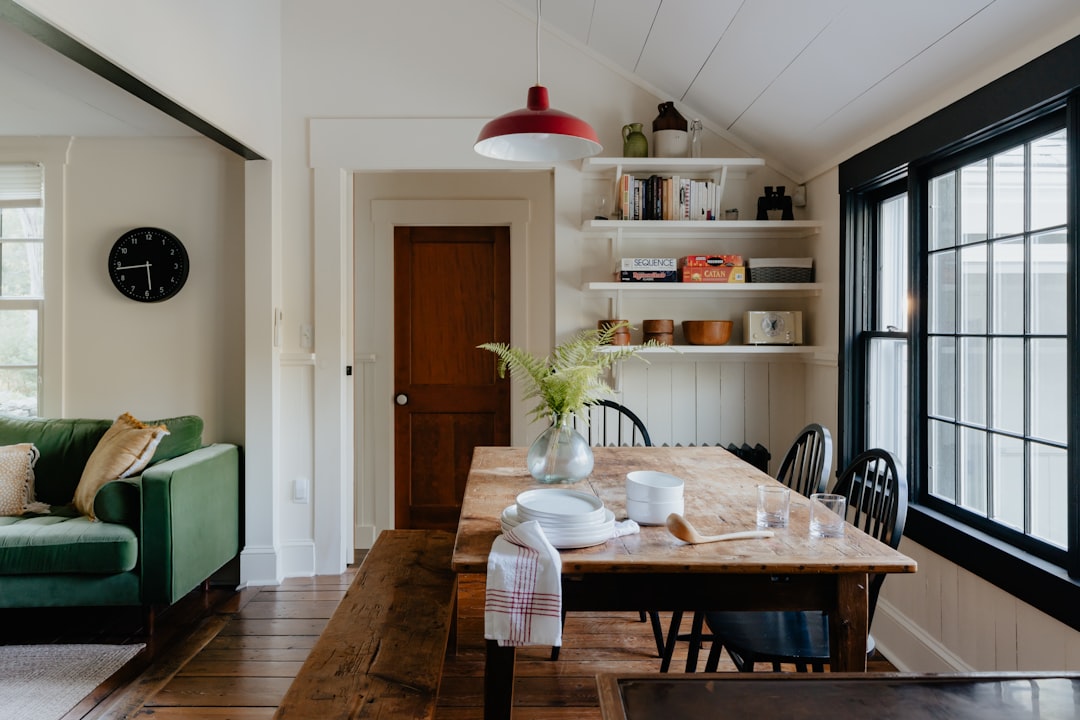
The dining room pendant chandelier serves as a focal point, capable of transforming a utilitarian space into a curated environment. Its presence dictates the room’s mood and aesthetic, influencing how the space is perceived and experienced. This article explores the multifaceted role of a statement dining room pendant chandelier, from its technical considerations to its impact on interior design.
The dining room, by its very nature, is a space dedicated to nourishment and social interaction. The lighting within this area plays a direct role in shaping the experience of both. A pendant chandelier, particularly one designed as a statement piece, transcends mere illumination; it becomes an architectural element, a sculptural form that enhances the room’s character.
The Culinary and Conversational Nexus
At its core, the dining room is where meals are shared and conversations flow. The quality of light Yigo directly impacts the ambiance, affecting the visual appeal of food and the comfort of those gathered. Low, dim lighting can create intimacy but may hinder readability, while harsh, bright light can feel sterile. A well-chosen pendant chandelier strikes a balance, providing sufficient light for dining while fostering a welcoming atmosphere. It acts as a beacon, drawing attention and anchoring the room’s layout.
Balancing Aesthetics and Functionality
The primary function of any light fixture is to provide illumination. However, for a statement pendant chandelier, this function is intertwined with its aesthetic purpose. It must be capable of casting light effectively onto the dining table, ensuring that food is well-lit and that diners can see each other clearly. Simultaneously, the fixture itself must possess visual appeal, contributing to the overall design narrative of the room. This duality requires careful consideration of wattage, beam spread, dimming capabilities, and the material and design of the fixture.
The Pendant Chandelier as an Architectural Element
Beyond its illumination capabilities, a statement dining room pendant chandelier can function as a significant architectural element. Its size, shape, and placement can influence the perceived dimensions of the room, drawing the eye upwards and creating a sense of grandeur or intimacy as desired.
Defining the Dining Zone
In open-plan living spaces, a pendant chandelier can act as a visual cue, clearly demarcating the dining area from other zones, such as the living room or kitchen. Its placement directly above the dining table serves this purpose effectively, creating a defined “room within a room,” even without physical walls. This spatial definition is crucial for establishing a sense of order and purpose within a larger area.
Guiding the Eye and Emphasizing Verticality
The visual weight and scale of a statement pendant chandelier can draw immediate attention to the ceiling. This can be particularly effective in rooms with less architectural detail, as the chandelier becomes an added layer of interest. It guides the eye upwards, creating a sense of height and drama. This upward focus can make a room feel larger and more airy, a welcome effect in many dining spaces.
Design Considerations for Statement Pendants
The selection of a statement pendant chandelier involves a nuanced understanding of design principles. It is not simply a matter of picking a fixture that appeals visually, but rather one that integrates harmoniously with the existing or intended interior scheme.
Scale and Proportion: The Golden Ratio of Light
The size of a pendant chandelier relative to the dining table and the room itself is paramount. An oversized fixture in a small room can feel oppressive, while a diminutive one in a grand space can appear lost.
Table Size and Chandelier Diameter
A common guideline suggests that the diameter of the chandelier should be approximately one-third the width of the dining table. For example, a 60-inch wide table might accommodate a chandelier with a diameter of around 20 inches. This ratio ensures that the light source is proportionate to the surface it illuminates, providing adequate but not overwhelming coverage.
Ceiling Height and Chandelier Drop
The height of the ceiling dictates the appropriate drop length of the chandelier. In rooms with standard 8-foot ceilings, a chandelier should typically hang so that the bottom is around 30-36 inches above the tabletop. For rooms with higher ceilings, a longer suspension is appropriate, ensuring the fixture remains at a functional and aesthetically pleasing height. An overly low-hanging fixture can impede movement and create a sense of claustrophobia, while one hung too high can lose its impact and fail to adequately light the table.
Room Dimensions and Overall Scale
Beyond the table, the overall dimensions of the dining room must be considered. A large room can accommodate a more substantial chandelier, which can then compete with the room’s volume. Conversely, a smaller dining area may benefit from a more modestly scaled statement piece, one that adds personality without overwhelming the space. The chandelier should be a prominent feature, but not to the exclusion of other design elements.
Style and Cohesion: Weaving a Visual Narrative
The aesthetic style of the pendant chandelier should align with the overall design theme of the dining room and the broader interior. This ensures a cohesive and harmonious environment.
Contemporary and Modern Adaptations
Contemporary and modern dining rooms often feature clean lines, minimalist aesthetics, and a focus on materials like metal, glass, and acrylic. Statement pendants in these styles might showcase geometric shapes, sleek metallic finishes, or innovative material combinations. They avoid excessive ornamentation, prioritizing form and function. A sculptural metal piece or a cluster of clear glass globes can serve as a striking focal point without disrupting a minimalist design.
Traditional and Transitional Elegance
Traditional dining rooms often lean towards classic silhouettes, intricate details, and rich materials like brass, crystal, and wrought iron. Transitional styles bridge the gap between traditional and modern, offering a more relaxed yet refined aesthetic. Statement chandeliers in these settings might feature ornate detailing, multi-tiered designs, or a sophisticated blend of materials. A crystal chandelier, for instance, can add sparkle and a sense of occasion, while a wrought iron fixture can introduce a rustic or industrial touch depending on its design.
Industrial and Bohemian Accents
Industrial-inspired dining rooms might feature exposed brick, metal elements, and a utilitarian feel. Statement pendants in this vein could include exposed bulbs, metal cages, or a raw, unfinished look. Bohemian styles embrace eclecticism, color, and texture. A statement pendant for a bohemian dining room might incorporate natural materials like rattan, macrame, or hand-painted ceramics, adding a global or artisanal touch.
Material and Finish: The Tactile and Visual Canvas
The materials and finishes of a pendant chandelier contribute significantly to its visual impact and its ability to integrate with other elements in the room.
Metal Finishes: From Brushed Nickel to Aged Brass
Metal finishes offer a wide spectrum of possibilities. Brushed nickel and chrome provide a cool, contemporary feel. Polished brass or gold can add warmth and a touch of luxury, while matte black or oil-rubbed bronze offers a more subdued, sophisticated presence. The choice of metal finish can either complement or contrast with existing hardware, furniture, or decorative accents, playing a crucial role in the room’s overall color palette and texture.
Glass and Crystal: Sparkle and Transparency
Glass and crystal are perennial favorites for chandeliers, offering varying degrees of transparency, reflectivity, and color. Clear glass can lend an airy, modern feel, while frosted or colored glass can create diffused light and add a pop of personality. Crystal, particularly when faceted, refracts light beautifully, casting intricate patterns and adding a sense of opulence and sparkle. The quality and cut of the crystal significantly influence the resulting light display.
Natural Materials: Wood, Rattan, and Beyond
In recent years, natural materials have gained prominence. Wooden elements can lend warmth and organic texture, suitable for rustic, Scandinavian, or even modern designs depending on the wood type and finish. Rattan and other woven materials offer a bohemian or coastal feel, introducing texture and a sense of handcrafted artistry.
Illuminating Your Dining Experience
The way a pendant chandelier emits light directly influences the dining experience. Beyond mere brightness, the quality, color temperature, and distribution of light are critical factors.
Light Quality and Color Temperature: Setting the Mood
The quality of light refers to how accurately colors are rendered, while color temperature describes the perceived warmth or coolness of the light.
Color Rendering Index (CRI) and Food Appeal
A high Color Rendering Index (CRI) is important for a dining room as it ensures that the colors of food and the complexions of diners are accurately represented. A lower CRI can make food appear dull or unappetizing. Most modern LED bulbs offer a CRI of 80 or above, with 90+ being ideal for critical color rendition.
Warm vs. Cool Light: Ambiance and Perception
Color temperature is measured in Kelvin (K). Warm white light (around 2700K-3000K) is similar to incandescent bulbs and creates a cozy, intimate atmosphere, ideal for dining. Cooler light (4000K and above) can feel more sterile and is generally less suitable for a dining room’s ambiance, though it might be considered for task lighting if needed.
Dimming Capabilities: Mastering Luminosity
The ability to control the intensity of light is essential for adapting the dining room’s mood to different occasions.
Versatility Through Dimmers
A dimmer switch allows for precise control over the light output, transforming the dining room from a brightly lit space for everyday meals to a more subdued, intimate setting for formal dinners or celebrations. This versatility is a hallmark of well-designed lighting.
Strategic Brightness for Different Activities
For family dinners or gatherings where conversation and visibility are paramount, a higher level of illumination might be preferred. For romantic dinners or moments of quiet reflection, dimming the lights creates a softer, more relaxed ambiance. The ability to adjust the light level ensures the chandelier serves its purpose across a range of scenarios.
Beam Spread and Distribution: Equitable Illumination
The way light is cast from the chandelier onto the table and surrounding area is as important as its intensity.
Direct, Indirect, and Diffused Light
Some chandeliers cast light directly downwards, others upwards, and many diffuse light through shades or materials. A combination can be effective, providing both focused light on the table and ambient light to the room. The ideal distribution ensures that no one is seated in glare, and the table is evenly lit.
Avoiding Glare and Shadows
Careful placement and design of the chandelier can minimize glare for diners. Similarly, the pattern of light distribution should avoid creating harsh shadows that might obscure faces or food.
Installation and Maintenance: Ensuring Longevity
Proper installation and regular maintenance are crucial for both the safety and continued aesthetic appeal of a statement dining room pendant chandelier.
Professional Installation: Safety and Precision
Wiring and hanging a statement chandelier can be a complex undertaking. Professional installation ensures that the fixture is securely mounted, correctly wired, and meets all safety codes. This is particularly important for heavy or intricate fixtures.
Electrical Considerations and Load Bearing
Electricians are trained to assess the existing electrical system, ensuring it can handle the load of the chandelier and that the wiring is up to code. They will also ensure proper grounding and circuit protection. The ceiling structure must be capable of supporting the weight of the chandelier, and the installer will use appropriate mounting hardware.
Cleaning and Care: Preserving the Luster
Statement chandeliers, especially those made with delicate materials like crystal or intricate metalwork, require specific cleaning routines.
Material-Specific Cleaning Protocols
Crystal components often require gentle handling and specialized cleaners to avoid clouding or chipping. Metal finishes might need specific polishes to maintain their sheen or prevent tarnishing. Dusting regularly with a soft cloth can prevent the buildup of grime that can be difficult to remove later.
Bulb Replacement and Accessibility
Consider the ease of replacing bulbs when selecting a chandelier. Some designs may require partial disassembly to access burnt-out bulbs, making it a more involved maintenance task. Fixtures that allow for easy bulb access will simplify ongoing upkeep.
The Statement Chandelier’s Cultural and Artistic Significance
The pendant chandelier, especially in its more elaborate forms, has a rich history that transcends purely functional lighting. It has often been a symbol of status, artistry, and innovation.
Historical Evolution of Dining Room Lighting
From early oil lamps to the advent of gas lighting and eventually electricity, the evolution of dining room illumination mirrors broader technological and societal changes. The chandelier, in particular, became a canvas for showcasing advancements in glassmaking, metalworking, and electrical engineering.
From Candlesticks to Crystal Masterpieces
Early dining rooms might have featured simple candlestick holders or oil lamps. The development of glassmaking techniques allowed for the creation of more elaborate fixtures, culminating in the opulent crystal chandeliers of the Baroque and Rococo periods. These were not just sources of light but also important decorative elements that reflected wealth and taste.
The Chandelier as Art and Expression
A statement pendant chandelier is rarely just a functional object. It is often a piece of art in its own right, reflecting the designer’s vision and the homeowner’s aesthetic preferences.
Artistic Intent and Material Innovation
Many contemporary statement chandeliers are designed by renowned artists and designers, incorporating cutting-edge materials and innovative lighting technologies. They can be sculptural forms that challenge traditional notions of what a light fixture can be. From minimalist geometric designs to elaborate, organic structures, these pieces are as much about visual impact as they are about illumination.
Reflecting Personal Style and Taste
The choice of a statement pendant chandelier is a deeply personal one. It is an opportunity to infuse the dining room with personality and to express individual style. Whether one opts for a bold, avant-garde piece or a more understated yet impactful design, the chandelier becomes a silent testament to the homeowner’s taste and their appreciation for design. It is a conversation starter, not just in terms of what it illuminates, but also in its very presence.