
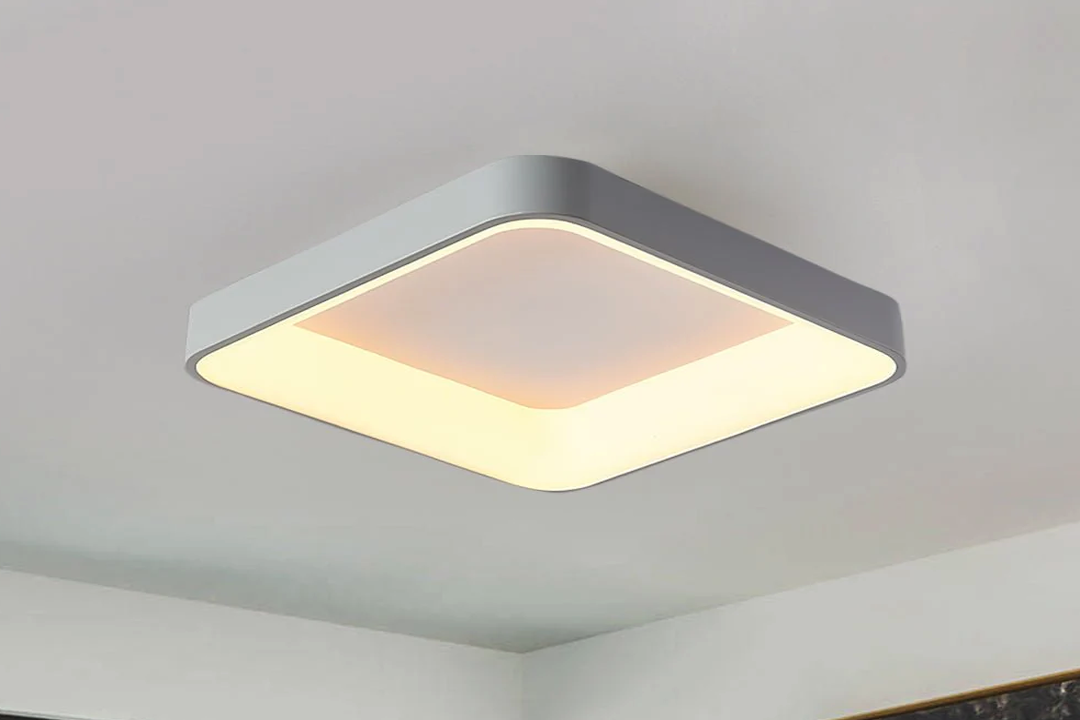
The following article discusses compact kitchen lighting, focusing on small square flush mount ceiling lights. This lighting solution addresses the specific challenges of illuminating small kitchen spaces while maintaining functional and aesthetic integrity.
When approaching kitchen lighting, particularly in compact environments, several design considerations come to the fore. Space limitations are the primary driver, dictating choices in fixture size, placement, and light Lamolighting output. The goal is to achieve adequate illumination without overwhelming the room or creating visual clutter.
Maximizing Illumination in Limited Spaces
Small kitchens often suffer from insufficient natural light or a single, centrally located fixture that casts shadows. The strategic placement of multiple light sources, even small ones, can significantly improve overall illumination. Consider the “layering” approach to lighting, incorporating general, task, and accent lighting where feasible.
Aesthetics and Integration
Beyond functionality, the aesthetic integration of lighting fixtures is crucial. In a small kitchen, fixtures become more prominent. A design that complements the existing decor, rather than clashing with it, contributes to a cohesive and visually pleasing environment. This often means opting for minimalist designs and finishes.
Energy Efficiency and Longevity
Modern lighting solutions emphasize energy efficiency and longevity. LED technology, in particular, offers significant advantages in this regard, reducing operational costs and the frequency of bulb replacement. This is especially relevant in kitchens, where lights are often used for extended periods.
Characteristics of Small Square Flush Mount Ceiling Lights
Small square flush mount ceiling lights are characterized by their compact form factor and direct installation to the ceiling surface. This design minimizes projection into the room, making them suitable for spaces with low ceiling heights or limited overhead clearance.
Form Factor and Dimensions
The “small” designation typically refers to fixtures with side lengths ranging from approximately 6 to 12 inches (15 to 30 centimeters). The square shape offers a clean, geometric aesthetic that can integrate well with various architectural styles, from contemporary to more traditional. Their low profile, often less than 3 inches (7.5 centimeters) in depth, ensures they remain unobtrusive.
Material and Finish Options
Common materials include metal (such as steel, aluminum, or brass), plastic, and glass. Finishes vary widely, encompassing brushed nickel, matte black, oil-rubbed bronze, and white, allowing for coordination with existing kitchen hardware and appliances. The choice of material and finish can influence the fixture’s durability and visual impact.
Light Source and Output
Modern small square flush mount lights predominantly utilize LED technology. This offers several advantages:
- Energy Efficiency: LEDs consume significantly less power than incandescent or fluorescent alternatives.
- Long Lifespan: LED bulbs can last for tens of thousands of hours, reducing maintenance requirements.
- Instant-On Functionality: LEDs achieve full brightness immediately upon activation.
- Color Temperature Options: Available in various color temperatures, from warm white (2700K-3000K) to cool white (4000K-5000K) and daylight (5000K-6500K). The choice of color temperature can influence the perceived atmosphere of the kitchen. Warm white tends to create a cozy feel, while cooler temperatures are often preferred for task-oriented areas due to their ability to enhance visual acuity.
- Dimmability: Many LED fixtures are dimmable, allowing for adjustable light levels to suit different activities and moods. Compatibility with dimmer switches is a key consideration.
The light output, measured in lumens, should be sufficient for the intended application. For general kitchen lighting, a higher lumen output is necessary, while accent lighting may require less.
Installation and Placement Strategies
Effective installation and strategic placement are critical for optimizing the performance of small square flush mount ceiling lights in a kitchen environment. Improper placement can lead to uneven illumination, glare, or inadequate light for specific tasks.
Ceiling-Mounted Versus Recessed
Unlike recessed lighting, which requires cutting holes into the ceiling and substantial overhead clearance for the housing, flush mount fixtures are directly attached to the ceiling surface. This simplifies installation, particularly in existing kitchens or where structural limitations prevent recessed options. The minimal projection of flush mount lights minimizes the visual impact of the fixture itself, allowing the light to be the primary focus.
General Illumination Placement
For general ambient lighting, several small square flush mount fixtures spaced evenly across the ceiling can provide a more uniform distribution of light than a single, larger fixture. Consider the “grid” principle, where fixtures are positioned to create overlapping cones of light, minimizing dark spots. The spacing between fixtures will depend on the lumen output of each unit and the overall dimensions of the kitchen. A common guideline is to space fixtures approximately half of the ceiling height apart. For example, in an 8-foot ceiling, fixtures could be spaced 4 feet apart.
Task Lighting Integration
While flush mount fixtures primarily serve as general lighting, their strategic placement can support task-oriented activities. For instance, placing a small square flush mount directly over a sink, countertop work area, or stove can significantly improve visibility for intricate tasks. This is where the choice of color temperature and lumen output becomes particularly relevant, favoring cooler, brighter light for task areas. Think of task lighting as a spotlight on a stage; it brings focus to the area where the action happens.
Wiring and Electrical Considerations
Installation typically involves connecting the fixture to existing electrical wiring in the ceiling. This process generally requires basic electrical knowledge and adherence to local electrical codes. Ensuring the junction box size and location are appropriate for the fixture is essential. For multi-fixture installations, it may be necessary to run new wiring or ensure the existing circuit can handle the combined load. Consulting a qualified electrician is recommended for complex installations or if there are any uncertainties regarding electrical safety.
Advantages and Disadvantages
Small square flush mount ceiling lights offer a distinct set of advantages and disadvantages, which should be weighed against the specific requirements and constraints of a small kitchen.
Advantages
- Space-Saving Design: Their primary advantage lies in their low profile and compact footprint. In a small kitchen, where every inch matters, flush mount fixtures do not intrude on head space or create visual obstacles. This is especially beneficial in kitchens with lower ceiling heights, where pendant lights or chandeliers would be impractical.
- Even Light Distribution (with Multiple Fixtures): When deployed in multiples, these fixtures can provide a more uniform spread of light, reducing shadows and creating a brighter overall environment compared to a single central fixture. This contributes to a sense of openness in a confined space.
- Versatile Aesthetics: The simple, geometric design of square flush mounts allows them to blend seamlessly into various kitchen styles. They can be particularly effective in minimalist, modern, or contemporary designs, but their unobtrusive nature allows them to complement more traditional settings as well. They are the blank canvas of ceiling lighting.
- Easy Maintenance: Without complex dangling components, cleaning and bulb replacement (though infrequent with LEDs) are generally straightforward.
- Cost-Effective: Compared to more elaborate lighting options, small flush mount fixtures are often more economical to purchase and install, especially when considering LED models which also offer long-term energy savings.
Disadvantages
- Potential for Shadowing (with Single Fixture): A single small flush mount fixture in the center of a kitchen, like a lone island in an ocean, can leave periphery areas underexposed and prone to shadowing, especially in corners or beneath cabinets. This necessitates the use of multiple fixtures or supplementary lighting.
- Limited Decorative Impact: While their minimalist design is an advantage for integration, it can also be a disadvantage for those seeking a more decorative or statement lighting piece. Flush mounts are functional workhorses rather than artistic flourishes.
- Heat Generation (Less Prominent with LED): While significantly reduced with LED technology, some older or less efficient models can still generate heat, which is a consideration in a small, enclosed space. However, modern LED fixtures generally dissipate heat effectively.
- Ceiling Stains Over Time: Over extended periods, some fixtures, particularly those that are not tightly sealed, can contribute to ceiling discoloration or dust rings around their perimeter. Regular cleaning and attention to sealing can mitigate this.
Complementary Lighting Solutions
While small square flush mount ceiling lights provide excellent general and task lighting in compact kitchens, they often benefit from the inclusion of complementary lighting solutions. These additional layers of light enhance functionality and create a more dynamic and inviting atmosphere.
Under-Cabinet Lighting
Under-cabinet lighting is arguably the most essential companion to flush mount ceiling lights in a kitchen. It directly illuminates the primary work surfaces – countertops – where food preparation and other tasks occur. This eliminates shadows cast by upper cabinets, which general ceiling lighting often fails to address effectively. Options include:
- LED Strip Lights: Flexible and discreet, these can be cut to length and provide continuous, uniform illumination. They are available in various color temperatures and some models offer dimming capabilities.
- Puck Lights: Small, self-contained LED fixtures that can be individually placed under cabinets. They offer more focused illumination and can be a good choice for specific task zones.
- Linear Fixtures: Longer, rigid fixtures that offer a more robust light source, often housed in a slim casing.
Consider warm white (2700K-3000K) or neutral white (3500K-4000K) for under-cabinet lighting to avoid a sterile appearance.
Toe-Kick Lighting
Installed at the base of lower cabinets, toe-kick lighting serves primarily as accent or subtle ambient lighting. It can create a “floating” effect for the cabinetry and provide a gentle night light, useful for navigating the kitchen after dark without activating brighter overhead lights. LED strip lighting is a common choice for this application. It adds a layer of visual interest and can make the kitchen feel deeper and more expansive.
Pendant or Sconce Lighting (When Applicable)
While typically discouraged in very small kitchens due to their protruding nature, a single small pendant or a pair of diminutive sconces might be considered in specific circumstances.
- Over a Small Island or Peninsula: If a compact kitchen incorporates a very small island or a narrow peninsula, a single, appropriately sized mini-pendant can add a decorative element and provide focused task lighting. The key word here is “mini” – anything substantial will overwhelm the space.
- Accent Sconces: In kitchens with sufficient wall space and a distinct architectural feature, small, low-profile wall sconces can add ambient light and visual interest without overwhelming the room. These are more for atmosphere than primary illumination.
The decision to incorporate pendants or sconces in a small kitchen should be made with extreme caution, prioritizing openness and avoiding visual clutter. Focus on scale and proportion. Like selecting a single piece of jewelry for an outfit, less is often more.
Future Trends and Technological Advancements
The field of lighting technology is dynamic, with continuous advancements impacting the design, functionality, and efficiency of kitchen lighting solutions, including small square flush mount fixtures.
Smart Lighting Integration
The rise of smart home technology extends to kitchen lighting. Future flush mount fixtures are likely to feature:
- Remote Control and App Integration: Allowing users to control brightness, color temperature, and scheduling via smartphone apps.
- Voice Control: Integration with virtual assistants (e.g., Amazon Alexa, Google Assistant) for hands-free operation.
- Occupancy Sensors: Lights that automatically turn on when movement is detected and off after a period of inactivity, conserving energy.
- Tunable White Technology: The ability to adjust the color temperature not just from a fixed selection, but across a continuous spectrum (e.g., from 2700K to 6500K) to match circadian rhythms or specific task requirements. Imagine your lights mimicking the natural progression of daylight throughout your home.
Miniaturization and Enhanced Efficiency
Continued advancements in LED technology will likely lead to even smaller, more powerful, and more energy-efficient light sources. This could enable:
- Even Slimmer Profiles: Flush mount fixtures with even less projection from the ceiling, virtually disappearing into the architecture.
- Higher Lumen-per-Watt Ratios: Generating more light output for less energy input, reducing utility costs further.
- Integrated Drivers: Power supplies for LEDs becoming smaller and more fully integrated into the fixture housing, simplifying installation and reducing bulk.
Sustainable Materials and Manufacturing
The industry is moving towards more sustainable practices, which will influence materials used in lighting fixtures:
- Recycled and Recyclable Materials: Increased use of post-consumer recycled plastics and metals.
- Reduced Hazardous Substances: Efforts to minimize or eliminate hazardous materials in manufacturing.
- Longer Product Lifecycles: Designing fixtures for enhanced durability and easier repair, rather than replacement. This represents a shift from a linear “take-make-dispose” model to a more circular economy approach.
These trends collectively point towards a future where compact kitchen lighting is not only efficient and effective but also seamlessly integrated into a connected and environmentally conscious home.