
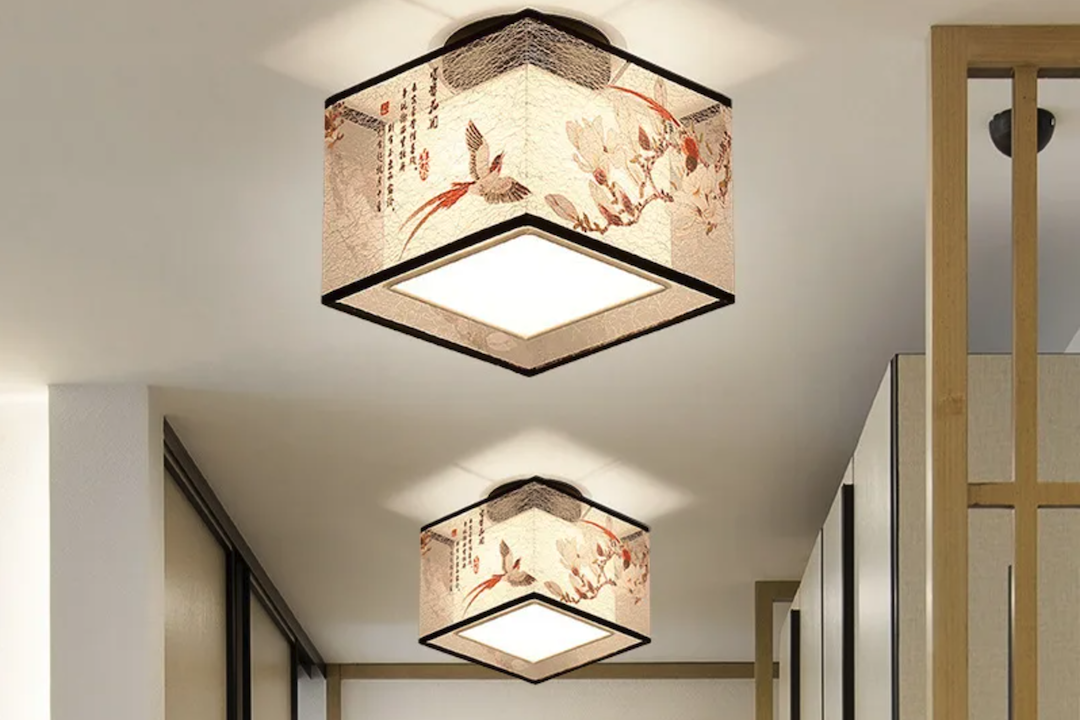
The intentional design of interior spaces frequently incorporates decorative elements to evoke specific moods or atmospheres. Among these elements, lighting plays a foundational role. This article examines the utilization of vintage glow glass ceiling lamps as a strategic component in establishing a romantic ambiance within a domestic environment. It explores the lamp’s inherent characteristics, its historical context, and practical considerations for its implementation, maintaining a factual and instructive tone appropriate for a Wikipedia-style entry.
A vintage glow glass ceiling lamp Tomosshop is characterized by its use of glass, often textured, colored, or opalescent, to diffuse light emitted from an internal source. The term “vintage” indicates a design aesthetic or origin from a previous era, typically mid-20th century or earlier, though contemporary reproductions adopting these styles are also prevalent. “Glow” refers to the soft, diffused illumination produced, distinct from direct, unshielded light. These lamps are mounted flush with the ceiling or suspended via a short stem or chain.
Construction and Materials
The primary components of a vintage glow glass ceiling lamp include the shade, often multiple pieces of glass, and a metal fixture that houses the electrical components and secures it to the ceiling.
- Glass Types: Common glass types include frosted, milk glass, stained glass, etched glass, crackled glass, or art glass (e.g., Tiffany-style). Each type imparts unique light diffusion properties. Frosted glass, for example, evenly scatters light, minimizing harsh shadows. Milk glass, an opaque or translucent white glass, provides a soft, warm glow. Stained glass introduces chromatic variations, casting colored patterns.
- Metal Fixtures: Bases, chains, and decorative elements are typically brass, bronze, iron, or chrome. The finish of the metal—whether polished, aged, or distressed—contributes to the lamp’s overall vintage aesthetic. Patina, a tarnish that forms on metal over time, often enhances the perceived age and authenticity of a vintage piece.
- Electrical Components: Internally, the lamp houses a socket for light bulbs, wiring, and a ceiling plate for secure mounting. Modern reproductions or rewired vintage pieces will adhere to contemporary electrical safety standards.
Light Emission Characteristics
The inherent properties of the glass are central to the “glow” effect. Instead of a direct beam, light is filtered and softened.
- Diffusion: Glass shades act as diffusers, scattering light waves in multiple directions. This reduces glare and softens shadows, creating a more uniform illumination across the space.
- Color Temperature: The color and texture of the glass, combined with the light bulb’s color temperature, influence the perceived warmth or coolness of the light. Warm-toned glass (amber, opalescent white) tends to enhance the warm light from incandescent or warm LED bulbs, fostering a cozy atmosphere.
- Pattern Projection: Etched or textured glass can project subtle patterns onto ceilings and walls, adding visual interest and depth to the lighting scheme.
Historical Context and Design Evolution
Understanding the historical lineage of vintage glow glass ceiling lamps provides insight into their enduring appeal and design language. These lamps are not merely functional objects; they are artifacts of specific design periods.
Art Nouveau and Art Deco Influences
Early 20th-century movements significantly shaped lamp design.
- Art Nouveau (c. 1890-1910): Characterized by organic, flowing lines, natural forms (flowers, insects), and an emphasis on craftsmanship. Tiffany lamps, with their intricate stained-glass shades, exemplify this period’s approach to light as an artistic medium. While Tiffany lamps are typically table or floor lamps, their aesthetic informed ceiling fixture designs with similar glasswork.
- Art Deco (c. 1920-1930s): A stylistic shift towards geometric patterns, streamlined forms, and opulent materials. Glass often featured facets, stepped designs, and frosted finishes. Chrome and polished metals were prevalent. Art Deco ceiling lamps frequently utilized opalescent or frosted glass bowls or panels, providing a diffused and glamorous light.
Mid-Century Modern Revivals
The mid-20th century saw a continued evolution of glass ceiling lamps, often emphasizing functionality and new materials.
- 1940s-1960s: Designs became simpler, with a focus on clean lines and accessible materials. Milk glass, often in geometric forms, became popular for ceiling fixtures providing widespread, diffused light. Sputnik-style chandeliers, while not exclusively glass-shaded, often incorporated frosted glass spheres or diffusers. The emphasis was on a modern yet functional aesthetic.
- Contemporary Interpretations: Modern manufacturers frequently reproduce or reinterpret these vintage styles, adapting them to current electrical standards and manufacturing techniques. These contemporary pieces maintain the aesthetic appeal while offering modern efficiency.
The Psychology of Lighting and Ambiance
Light fundamentally impacts human perception, mood, and behavior. When aiming for a specific ambiance, such as romance, the principles of lighting psychology are paramount.
Warm vs. Cool Light
The color temperature of light is measured in Kelvin (K).
- Warm Light (2000K-3000K): Emits a soft, reddish-yellow glow, akin to candlelight or an incandescent bulb. This range is generally associated with comfort, intimacy, relaxation, and warmth. It simulates natural light sources present at dawn or dusk, periods often linked with romance and introspection.
- Cool Light (4000K-6500K): Emits a bluer, whiter light, similar to bright daylight or fluorescent office lighting. While suitable for tasks requiring alertness, it is generally considered less conducive to a romantic or intimate atmosphere.
Vintage glow glass ceiling lamps, especially when paired with appropriate bulbs, excel in producing warm, diffused light. The glass itself can often tint the light toward warmer tones, even with slightly cooler bulbs.
Diffusion and Shadow Play
The way light interacts with a space, creating or eliminating shadows, is critical.
- Soft Diffusion: Diffused light minimizes harsh shadows, creating a softer, more flattering environment. This lack of stark contrasts contributes to a sense of calm and visual comfort. Hard shadows can be jarring or highlight imperfections, which is generally undesirable in a romantic setting.
- Subtle Highlights: While diffusion is primary, textured or colored glass can create subtle, shifting light patterns on surfaces. These patterns add visual interest and movement, without being distracting. Think of a gentle ripple across water, rather than a flickering strobe. This nuanced interplay of light and shadow provides depth and avoids a flat, uniformly lit space.
Integrating the Vintage Glow Lamp into an Ambiance
Successful integration of a vintage glow glass ceiling lamp into an overall romantic ambiance requires careful consideration of its placement, pairing with other lighting, and overall decor.
Strategic Placement and Height
The lamp’s location and suspension height are not arbitrary; they dictate the spread and impact of its light.
- Central Focal Point: In smaller rooms, a single, well-chosen ceiling lamp can serve as the primary ambient light source. Its central placement ensures a relatively even distribution of its soft glow.
- Task/Accent Complement: For larger spaces, the ceiling lamp functions as ambient background light, complemented by task lighting (e.g., reading lamps) and accent lighting (e.g., picture lights, wall sconces). The ceiling lamp establishes the foundational mood, while other lights add layers of functionality and visual interest.
- Room Scale: The size and design of the lamp should be proportionate to the room. An overly large lamp can overwhelm a small space, while a diminutive one may be lost in a grand room. Think of it as a well-fitted garment; it should neither sag nor strain.
Layering with Other Light Sources
A truly romantic ambiance is rarely achieved with a single light source. Layering is key.
- Dimmers: Installing a dimmer switch is almost universally recommended for ceiling lamps. This allows for precise control over light intensity, enabling subtle adjustments to match the desired mood. The ability to shift from a brighter, functional glow to a soft, intimate luminescence is invaluable.
- Secondary Lighting:
- Table and Floor Lamps: These provide localized pools of warm light, contributing to intimacy and allowing for individual activities like reading. Their height and shade design further soften and direct light.
- Candles: The flickering flame of candles inherently evokes romance. Their ultra-warm color temperature and organic movement create a dynamic and emotionally resonant light source.
- Wall Sconces: When strategically placed, sconces can cast upward or downward light, highlighting architectural features or creating soft washes of light on walls.
- Fairy Lights/String Lights: These micro-lights, often warm LED, can be draped around objects, shelves, or windows to add delicate sparkle and a whimsical touch.
Complementary Decor and Color Palettes
The light from the lamp is one brushstroke; the broader decor is the canvas.
- Soft Textures: Plush fabrics, velvet, silk, and faux fur absorb and diffuse light, enhancing the soft glow from the lamp. They invite touch and contribute to a feeling of comfort and luxury.
- Warm Color Palettes: Walls and furnishings in warm tones (creams, muted pinks, rich browns, deep reds, soft greens) harmonize with the lamp’s warm light, amplifying the overall cozy and inviting atmosphere. Cool tones can create a stark contrast that works against the desired effect.
- Reflective Surfaces (in moderation): Mirrored surfaces or polished metals can reflect and spread the light, adding depth. However, excessive use can lead to glare, detracting from the diffused glow. Use these as accents, not dominant features. Think of them as small puddles reflecting the moon, not a vast, blinding ocean.
Practical Considerations and Maintenance
Selecting and maintaining a vintage glow glass ceiling lamp involves practical decisions beyond aesthetics.
Sourcing and Authenticity
When acquiring a vintage lamp, several factors warrant attention.
- True Vintage vs. Reproduction: True vintage pieces offer historical authenticity and unique patinas. Reproductions replicate the style using modern materials and manufacturing. Both can be effective, but understanding the difference informs value and expectation.
- Condition Assessment: For true vintage, inspect for chips, cracks, electrical safety (rewiring often necessary for older pieces), and metal fatigue. Professional restoration may be required for significant damage.
- Reputable Dealers: Purchase from dealers specializing in vintage lighting to ensure accurate descriptions and safe, functional products. Online marketplaces require careful review of images and descriptions.
Bulb Selection and Efficiency
The choice of light bulb significantly impacts the lamp’s output.
- LED Bulbs: Modern LED bulbs offer energy efficiency, longevity, and a wide range of color temperatures. Look for “warm white” (2700K) or “extra warm white” (2200K) options to replicate the incandescent glow. Filament-style LEDs capture the aesthetic of traditional bulbs.
- Incandescent Bulbs: While less energy-efficient, incandescent bulbs inherently produce warm, full-spectrum light that many find pleasing. Their immediate warmth of color is a benchmark for many “romantic” lighting schemes.
- Smart Bulbs: Dimmable and color-changing smart bulbs allow for dynamic adjustments through apps or voice control, offering unparalleled flexibility in ambiance creation.
Cleaning and Care
Proper maintenance ensures the lamp retains its aesthetic and functional integrity.
- Glass Cleaning: Dust glass shades regularly with a dry, soft cloth. For deeper cleaning, use a mild glass cleaner applied to a cloth, not directly to the lamp, to avoid overspray on electrical components. Ensure the lamp is powered off and cool.
- Metal Polishing: Depending on the metal type and desired finish, periodic polishing with appropriate metal polish can maintain luster or protect a desired patina. Avoid abrasive cleaners that could scratch the finish.
- Electrical Inspection: For vintage pieces, periodic inspection of wiring and connections by a qualified electrician is recommended to ensure safety.
In conclusion, the vintage glow glass ceiling lamp is more than just a source of light; it is a design element rich in history and capable of profound atmospheric influence. By understanding its characteristics, historical context, and the psychological impact of light, one can strategically deploy this fixture to craft an environment that embodies romance. The interplay of diffused light, warm tones, and complementary decor creates an interior narrative of comfort and intimacy, inviting occupants to experience the space with a heightened sense of warmth.