
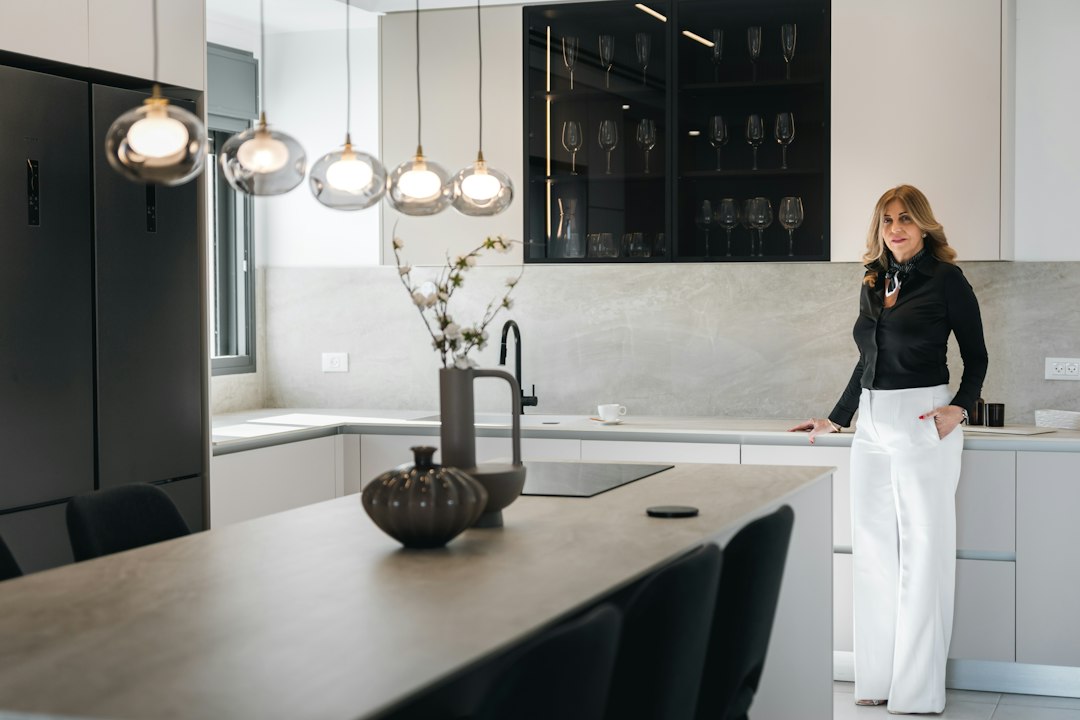
Why a Remote-Controlled Fluted Arc Lamp for Your Kitchen Island?
Thinking about lighting your kitchen island? A remote-controlled fluted arc floor lamp might just be the practical and stylish solution you’re looking for. Forget about hardwiring, hiring electricians, or dealing with dim, poorly placed light. These lamps offer a fantastic blend of targeted illumination, adjustable control, and a sleek aesthetic that can truly elevate your kitchen space. They’re especially great for renters who can’t make permanent electrical changes, or homeowners seeking flexible lighting that can adapt to different island activities – from meal prep to casual dining or even homework. The “remote-controlled” aspect means you can easily adjust brightness or turn it on and off without reaching for a switch, while the “fluted arc” design ensures the light is directed exactly where you need it without getting in your way. It’s a convenient, adaptable, and surprisingly effective choice for a high-traffic area like the kitchen island.
Understanding the “Fluted Arc” Design
Let’s break down what “fluted arc” actually means in the context of a floor lamp and why it’s so well-suited for kitchen island lighting. It’s not just a fancy term; it describes the lamp’s structure and how it delivers light.
The Arc: Reaching Over Your Island
The “arc” part is pretty self-explanatory – the lamp’s arm curves gracefully upwards and then outwards, allowing the light source to be positioned directly over your kitchen island. This is crucial because it means the lamp’s base can sit on the floor next to the island, out of the way, while the light itself hovers above the workspace. Unlike a standard floor lamp that shines straight up or just forward, an arc lamp projects light downwards onto a specific area. This is ideal for tasks like chopping vegetables, reading recipes, or even just setting a pleasant ambiance for a casual meal. Without the arc, you’d have the lamp base right in the middle of your walking path or taking up valuable counter space.
Fluting: Directing and Diffusing Light
“Fluted” refers to the design of the lamp shade or diffuser. Imagine a series of vertical grooves, ridges, or channels. This isn’t just for looks; it serves a practical purpose. Fluting helps to gently diffuse the light, making it softer and less harsh than a bare bulb. Instead of a single, blinding spot, you get a more even distribution of light that reduces glare. This is particularly important in a kitchen where you’re often looking directly at the workspace. The fluting also helps to direct the light downwards and outwards, focusing it on the island without spilling too much light into the rest of the room, which can be distracting. It creates a more focused, yet still comfortable, pool of light.
Material Considerations for Fluting
The material used for the fluting also plays a role. Often, you’ll see fluted shades made from frosted glass, acrylic, or even textured metal. Frosted glass or acrylic will provide the most diffused light, softening any harshness. Metal fluting, while stylish, might direct light more intensely in specific patterns, which can be an aesthetic choice but potentially less ideal for broad task lighting. When choosing, consider how much diffusion you want and how it will interact with other light sources in your kitchen.
Remote Control Functionality and Its Benefits
The “remote-controlled” aspect of these lamps is where a lot of the practical convenience comes into play, especially in a busy space like a kitchen. It’s not just a gadget; it genuinely enhances usability.
Convenience at Your Fingertips
Imagine your hands are covered in flour, or you’re balancing a hot pot. Reaching for a lamp switch on the floor or the lamp pole can be awkward, messy, or even dangerous. With a remote control, you can adjust the lighting without having to move. This is incredibly handy for quick adjustments during cooking, dining, or clean-up. You can be across the room, at the dining table, or even just sitting comfortably on a bar stool, and still have full control over the illumination.
Dimming and Brightness Control
Most remote-controlled arc lamps come with dimming capabilities. This is a game-changer for kitchen island lighting. Need bright, focused light for intricate tasks like chopping or reading a recipe? Crank it up to full brightness. Transitioning to a more relaxed evening meal or just want some ambient light while you have a cup of tea? Dim it down to a softer glow. This versatility means one lamp can serve multiple purposes throughout the day, adapting to various activities without needing multiple light fixtures. Generic on/off lamps just can’t offer this level of adaptability.
Color Temperature Adjustment (If Available)
Some advanced remote-controlled lamps also offer color temperature adjustment. This means you can switch between warmer (more yellow/orange) and cooler (more blue/white) light tones. Warmer light can create a cozy, inviting atmosphere for dining, while cooler light is often preferred for task-oriented work as it can improve focus and visibility. While not all arc lamps will have this feature, it’s definitely something to look for if you want maximum flexibility in your kitchen’s ambiance. This level of customization allows you to truly tailor the lighting to your mood or the specific task at hand.
Setting the Scene with Ease
Think about entertaining. You might want bright light during food prep, then dim, warm light once everyone is seated. A remote allows you to smoothly transition between these settings without disrupting the flow of conversation or having to physically get up and tinker with a lamp. It contributes to a more seamless and enjoyable experience in your kitchen.
Practical Placement and Safety Considerations
Placing an arc floor lamp, especially in a high-traffic area like a kitchen, requires a bit of thought to ensure it’s both effective and safe. It’s not just about aesthetics; it’s about functionality and avoiding trip hazards.
Optimal Positioning for Illumination
The key to effective lighting from an arc lamp is its placement relative to the island. You want the base of the lamp to be far enough away from the island that it doesn’t obstruct foot traffic or cabinet doors, but close enough that the arc reaches over the island’s center or the primary work area.
Distance from the Island
Measure your island’s length and width. You’ll typically want the lamp base to be positioned along one of the longer sides, allowing the arc to span a significant portion of the island. The arm of the lamp should ideally extend about two-thirds to three-quarters of the way across the island’s width. This ensures the light is centered where you’ll be working, rather than just illuminating the edge. If your island is very large, a single arc lamp might not be sufficient for comprehensive illumination; you might need to consider supplementary lighting or a longer-reaching arc lamp.
Avoiding Obstructions
Before settling on a spot, open all nearby cabinet doors, drawers, and your dishwasher. Ensure the lamp’s base and arc don’t interfere with any of these. Also, consider the swing of any kitchen chairs or bar stools – the lamp should be clear of their movement paths.
Cord Management for Safety
A floor lamp means a power cord, and cords in a kitchen can be a trip hazard. This is perhaps the most critical safety consideration.
Hiding and Securing Cords
Whenever possible, route the lamp cord along the baseboards or behind furniture to minimize its visibility and the risk of tripping. Use cord clips or ties to secure the cord firmly to the wall or floor. Avoid running the cord under rugs or across high-traffic pathways, as this can still lead to trips or damage the cord itself, creating a fire hazard. If you must run it across a path, invest in a flat cord cover that can be secured to the floor.
Proximity to Water
Never place the lamp base or route the cord in an area where it could come into contact with water, such as directly next to a sink or dishwasher. Kitchens are prone to splashes and spills, and electricity and water do not mix. Ensure the outlet you’re using is a GFCI (Ground Fault Circuit Interrupter) outlet, which is designed to protect against electrical shock in wet environments. Most modern kitchens will already have these, but it’s always worth checking.
Stability of the Base
Arc lamps, especially those with longer arms, need a very stable and heavy base to prevent tipping. This is even more important in a kitchen where bumping into things is more common.
Checking the Base Weight
Before purchasing, check the product specifications for the base weight. A heavier base is always better. If the lamp feels at all wobbly on display, it’s probably not suitable for a high-traffic area. The base should be wide enough to provide good stability, not just heavy.
Children and Pets
If you have young children or active pets, they might be tempted to pull on the lamp’s arm or investigate the base. Ensure the lamp is sturdy enough to withstand accidental bumps or tugs. Consider placing the lamp in a spot where it’s less accessible to curious hands or paws.
Aesthetics and Design Integration
Beyond its practical function, a fluted arc floor lamp can significantly contribute to the overall aesthetic of your kitchen. It’s a statement piece that needs to blend seamlessly with your existing decor.
Matching Your Kitchen’s Style
The beauty of these lamps is their versatility in design. They come in various finishes and styles, allowing you to find one that complements your kitchen’s existing look.
Modern and Minimalist
For modern or minimalist kitchens, look for lamps with clean lines, sleek metal finishes like brushed nickel, chrome, or matte black. The fluting on the shade might be subtle, made from frosted glass or translucent acrylic. The arc itself would likely be a simple, elegant curve without excessive ornamentation. These lamps often emphasize functionality and understated elegance.
Industrial
If your kitchen has an industrial vibe with exposed brick, metal accents, or concrete countertops, a fluted arc lamp with a darker metal finish (like oil-rubbed bronze or distressed black) and perhaps a more robust, utilitarian look would fit well. The fluting might be more pronounced, potentially even metal, adding to the rugged aesthetic.
Contemporary and Eclectic
For a more contemporary or eclectic kitchen, you have more freedom. You might choose a lamp with a unique color finish, a more elaborate fluted design, or even a mixed-material approach. The key is to find something that adds visual interest without clashing with other elements. A lamp with a marble base or a distinctive shade material could work beautifully here.
Scale and Proportion
Getting the scale right is crucial. A lamp that’s too small will look insignificant and won’t provide adequate light for a large island. One that’s too large can overwhelm the space and feel clunky.
Height and Reach
Consider the ceiling height of your kitchen. An arc lamp should ideally have enough height to clear anyone standing at the island comfortably, without feeling like it’s looming over their heads. The reach of the arc should also be proportional to the size of your island, as discussed in the placement section. Measure the height from the floor to the lowest point of the lamp shade when extended, and compare it to the height of your tallest family member or anyone regularly using the island.
Base Footprint
The size of the lamp’s base matters too. In a kitchen, floor space is often at a premium. Choose a lamp with a base that is substantial enough for stability but doesn’t intrude too much into your walking paths or block access to cabinets. Some arc lamps have very discreet, flat bases, while others have more decorative, chunky ones.
Integrating with Existing Lighting
Your fluted arc lamp won’t be the only light source in your kitchen. It needs to work harmoniously with your overhead lighting, under-cabinet lighting, and any pendant lights you might have.
Layering Light
Think of your kitchen lighting as layers. The arc lamp provides task lighting for the island. Your overhead lights (recessed lights, flush mounts) provide general ambient light. Under-cabinet lighting illuminates your countertops. Together, these create a well-lit, functional, and inviting space. The dimming capabilities of a remote-controlled arc lamp allow it to easily transition between being a primary task light and a supplementary ambient light.
Avoiding Clutter
If you already have pendant lights over your island, adding an arc lamp might be overkill visually. Unless the arc lamp is intended to replace pendants (which it can effectively do, especially in rental situations), ensure there’s enough space and that the two types of fixtures don’t compete for attention or create a crowded look. Sometimes, a single well-placed arc lamp can provide all the targeted light you need without the need for fixed pendants, offering greater flexibility.
Maintenance and Bulb Selection
Keeping your fluted arc lamp in good working order is pretty straightforward, but a few considerations, especially regarding bulb choice, can make a big difference in its performance and longevity.
Basic Cleaning and Care
Like any fixture in a kitchen, your lamp will eventually accumulate dust, grease, and grime. Regular, gentle cleaning is key to keeping it looking good and functioning properly.
Dusting the Arc and Base
Use a soft, dry microfiber cloth to dust the lamp’s base and the arc arm regularly. For more stubborn dust or light grease, a slightly damp cloth with a mild, all-purpose cleaner (diluted) can be used, followed immediately by a dry cloth to prevent water spots or streaks, especially on metal finishes. Avoid abrasive cleaners or harsh chemicals, as these can damage the finish.
Cleaning the Fluted Shade
The fluted shade needs a bit more attention. If it’s glass or acrylic, you can usually wipe it down with a damp cloth and mild soap solution, then dry it thoroughly. For more intricate fluting or delicate materials, a soft brush (like a clean paintbrush) can help get into the grooves to remove dust. Always ensure the lamp is unplugged before cleaning the shade, especially if you’re using any moisture.
Bulb Type and Wattage
The type of bulb you use will dictate the quality of light, energy efficiency, and how well the dimming function works. For a remote-controlled fluted arc lamp, LED bulbs are almost always the best choice.
Why LED?
- Energy Efficiency: LEDs consume significantly less energy than incandescent or halogen bulbs, saving you money on your electricity bill. This is particularly important for a lamp that might be on for extended periods.
- Longevity: LEDs last much longer than traditional bulbs, meaning fewer bulb changes and less hassle.
- Dimming Performance: Most modern remote-controlled lamps are designed to work seamlessly with dimmable LED bulbs. Ensure you purchase dimmable LEDs; standard LEDs might flicker or not dim properly.
- Color Temperature Options: LEDs are readily available in a wide range of color temperatures (measured in Kelvin, K), from warm white (2700K-3000K) to cool white (4000K-5000K). Choose a color temperature that suits your preference for the kitchen. Many people prefer a slightly cooler white (3500K-4000K) for task lighting as it mimics natural daylight, while others prefer warmer light for a cozier feel.
- Instant On: LEDs provide instant full brightness without any warm-up time, which is convenient in a kitchen.
Wattage Equivalence and Brightness (Lumens)
When replacing bulbs, pay attention to lumens (brightness) rather than just wattage, especially with LEDs. A 60-watt equivalent LED bulb might only consume 9-10 watts but produce the same amount of light as an old 60-watt incandescent. Check the lamp’s maximum wattage rating and ensure your chosen LED bulb’s equivalent wattage or actual wattage doesn’t exceed this. For kitchen island task lighting, you’ll generally want a decent amount of light, so look for bulbs in the 800-1200 lumen range per bulb, depending on how many bulbs the lamp accommodates and the size of your island.
Troubleshooting Remote Control Issues
Occasionally, you might encounter issues with the remote control. Here are a few common fixes:
Battery Check
This is the most common culprit. If the remote isn’t working, replace the batteries first. Most remotes use standard coin cell (CR2032) or AAA batteries.
Line of Sight
Ensure there’s a clear line of sight between the remote and the lamp’s receiver. Obstructions like large appliances or people can sometimes interfere with the signal.
Pairing/Reset
Some remote-controlled lamps require pairing the remote with the lamp, especially after a power outage or battery change. Check your lamp’s instruction manual for specific pairing instructions. This usually involves holding down a button on the remote while the lamp is powered on or off.
Interference
Less common, but other devices operating on similar frequencies (like smart home hubs or other remote-controlled gadgets) can sometimes cause interference. Try temporarily disabling other devices to see if the issue resolves.
By keeping these practical points in mind, your remote-controlled fluted arc floor lamp can be a long-lasting, versatile, and stylish addition to your kitchen island.