
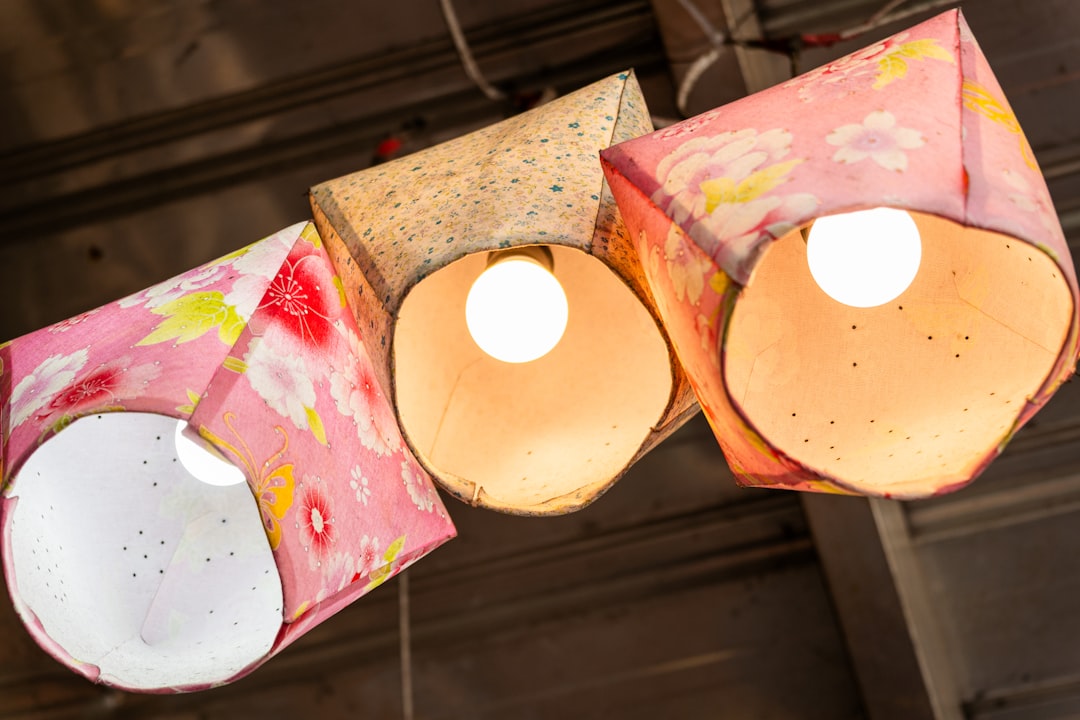
So, you’re thinking about adding some soft fabric pendant lights to your apartment to make it feel cozier. That’s a fantastic idea! In a nutshell, fabric pendant lights are a great way to diffuse light, creating a warm and inviting ambiance that’s perfect for making even a small space feel a lot more comfortable and lived-in. They’re a step up from harsh, direct lighting and can really transform the feel of a room without requiring a major renovation.
The Fabric Factor: Why It Makes a Difference
The magic of fabric pendant lights lies, well, in the fabric. Unlike hard shades made of metal, glass, or plastic, fabric has a natural softness to its texture that translates directly into the light it emits.
Light Diffusion: The Gentle Glow
This is the primary reason fabric shades are associated with coziness. The woven nature of the fabric acts as a natural diffuser.
Scattering the Rays
Instead of sharp, defined beams, fabric breaks up the light rays. This means you get a more even, spread-out illumination that’s less likely to create glaring hotspots or harsh shadows.
Softening the Edges
Think of it like looking through a sheer curtain on a sunny day. The light is still there, but it’s softened, less intense, and more pleasant to the eyes. This is precisely what fabric pendant lights do for your apartment.
Texture and Warmth: More Than Just Light
Beyond how they diffuse light, the physical presence of fabric itself contributes to a cozy atmosphere.
Tactile Appeal
Even visually, fabric suggests comfort. It recalls things like blankets, soft upholstery, and warm clothing, all inherently linked to feelings of coziness.
Adding Depth
The subtle texture of fabric shades can add a layer of visual interest and depth to a space that a plain, hard shade might not offer. It can make the lighting fixture feel more like a decorative element and less like a purely functional object.
Choosing the Right Fabric Pendant for Your Apartment
Not all fabric pendant lights are created equal, and the best choice for your apartment will depend on a few key things.
Material Matters: Common Fabric Choices
The type of fabric used can influence the light quality, durability, and overall aesthetic.
Linen: The Classic Choice
Linen is a popular option for a reason. It offers a beautiful, natural texture and a pleasingly diffused light. It tends to be slightly more open-weave, allowing a good amount of light through while still softening it. Linen also has a timeless appeal that fits well with many decor styles.
Cotton: Versatile and Accessible
Cotton is another readily available and versatile fabric. It can range from tightly woven poplin to more loosely textured canvas. Cotton shades often provide a more opaque light, creating a very warm and contained glow. They’re also generally easy to clean, which is a practical consideration for apartment living.
Silk and Silk Blends: For a Touch of Elegance
For a more refined feel, silk or silk blends can be an excellent choice. They often have a subtle sheen that can add a touch of sophistication. The light diffusion through silk can be particularly soft and luminous, giving off a luxurious glow. However, silk might require more delicate handling and cleaning.
Other Natural Fibers: Rattan and Jute
While not strictly “fabric” in the woven textile sense, materials like rattan and jute are often used in pendant shades and offer a similar effect. They provide a natural texture and excellent light diffusion, bringing an organic, earthy warmth to the space. These are particularly good for a bohemian or coastal vibe.
Shade Shape and Size: Balancing Aesthetics and Function
The silhouette and dimensions of your pendant light play a significant role in how it looks and how the light behaves.
Drum Shades: Even Illumination
Drum-shaped pendants are a classic for a reason. Their cylindrical form provides a consistent distribution of light all around. This is great for illuminating a specific area without creating harsh shadows. They’re also quite versatile in terms of style, fitting seamlessly into modern, transitional, or even some traditional settings.
Bell or Cone Shapes: Directing Light
Shaped like their namesakes, bell or cone pendants often direct light downwards more strongly, while still allowing softer ambient light to escape. This can be useful if you want to highlight a particular surface, like a dining table or a kitchen island, while maintaining a generally cozy atmosphere. The material of the shade will still influence the quality of that directed light.
Empire or Pleated Styles: Classic Elegance
These styles often evoke a more traditional or vintage feel. Empire shades are typically wider at the bottom than the top, while pleated shades have distinct folds in the fabric. These often have a more decorative quality and can cast interesting patterns of light and shadow, adding to the ambiance.
Scale for the Space
Consider the size of your apartment and the specific room. A large, overly dramatic pendant might overwhelm a small living area. Conversely, a tiny pendant in a large room can feel lost. Measure the space and visualize the scale relative to your furniture.
Placement: Where to Hang Your Cozy Glow
The location of your fabric pendant light is crucial for maximizing its cozy effect and functionality.
Over Key Areas: Task and Accent Lighting
Think about where you spend most of your time or where you need focused light.
Dining Spaces: Setting the Mood for Meals
A pendant light hung centrally over a dining table is a common and effective choice. It defines the dining area and creates an intimate atmosphere for meals. The soft light from a fabric shade is particularly welcoming for shared dining experiences.
Kitchen Islands and Breakfast Bars: Functional Warmth
If you have a kitchen island or breakfast bar, a fabric pendant can provide a touch of warmth to what can sometimes be a purely functional zone. It’s a great way to make these areas feel more integrated into the living space and less stark.
Over Coffee Tables or Reading Nooks: Creating a Cozy Corner
For living areas, hanging a pendant over a coffee table can create a focal point and a sense of intimacy. In a smaller apartment, a well-placed pendant over a comfortable chair can define a perfect reading nook, making it feel intentional and inviting.
Enhancing Verticality and Flow
Pendants aren’t just about what they illuminate; they can also influence the perception of your space.
Drawing the Eye Upward
Hanging a pendant light at an appropriate height can draw the eye upward, making a room feel taller. This is especially beneficial in apartments with lower ceilings.
Defining Zones in Open Plans
In an open-plan apartment, pendant lights are fantastic for visually separating different functional areas without the need for walls. A pendant over a seating area and another over a dining spot can subtly demarcate these zones.
Installation and Practicalities: Getting Your Cozy On
Once you’ve chosen your fabric pendant, installation is the next step. This is where practicality meets design.
Types of Pendant Installation
Depending on your apartment setup, you might have a few options.
Hardwiring: The Permanent Solution
This involves connecting the light fixture directly to your apartment’s electrical system. It’s the most polished and permanent solution, offering a clean look with no visible cords. This usually requires an electrician unless you have experience and the necessary permissions.
Plug-In Pendants: Simpler and More Flexible
Many fabric pendant lights come with a plug-in option. This means you can hang the fixture and simply plug it into a standard wall outlet. It’s a much simpler DIY option and offers flexibility if you want to move the light later. You’ll need to consider how to manage the cord, perhaps with cord covers or clips.
Swag Hooks: For Custom Placement
If hardwiring isn’t an option and you want to hang your pendant away from an existing outlet, a swag hook mounted to the ceiling can be a great solution. You’ll still need a plug-in cord, but this gives you more freedom in positioning the light.
Maintenance and Care for Fabric Shades
Fabric shades, while beautiful, do require a little care to keep them looking their best.
Dusting: Regular Light Cleaning
The most frequent task will be dusting. A soft brush attachment on your vacuum cleaner or a microfiber duster is usually sufficient. Do this regularly to prevent dust build-up.
Spot Cleaning: Dealing with Small Marks
For small stains or marks, check the manufacturer’s recommendations. Often, a slightly damp cloth with a tiny bit of mild soap can work, but always test an inconspicuous area first. Avoid excessive moisture, as it can damage the fabric or its backing.
Professional Cleaning: For Deeper Grime
If a shade becomes heavily soiled, professional cleaning might be necessary. This is especially true for delicate fabrics like silk. Again, check the manufacturer’s care instructions before attempting anything.
Beyond the Basics: Elevating Your Cozy Ambiance
Once you have your fabric pendant lights in place, there are still a few more touches that can amplify the cozy factor.
Bulb Choice: The Warmth of the Glow
The type of light bulb you use is as important as the shade itself.
Lumens and Kelvin: Understanding Light Output
Lumens measure brightness, while Kelvin (K) measures color temperature. For a cozy ambiance, you want a lower Kelvin number.
Warm White (2700K – 3000K): The Gold Standard for Cozy
Bulbs in the 2700K to 3000K range are considered warm white. This has a yellowish hue that mimics the soft light of a traditional incandescent bulb. It’s ideal for creating a relaxed and inviting atmosphere.
Dimmable Bulbs: Total Control Over Ambiance
If your fixture is dimmable, investing in dimmable LED bulbs will give you the ultimate control. You can adjust the light intensity from a gentle ambient glow for winding down to a slightly brighter, but still soft, light for tasks.
Layering Light: The Power of Multiple Sources
A single pendant light, while effective, is often best when combined with other light sources.
Table and Floor Lamps: Adding Depth and Flexibility
Don’t underestimate the power of table and floor lamps. These can fill in darker corners, provide task lighting, and add layers of light that make a room feel more dynamic and comfortable.
Wall Sconces: Subtle Illumination
If your apartment has walls that could use a bit of accent, soft fabric wall sconces can provide subtle, ambient light that complements your pendants.
Candles (Real or LED): For Extra Cosiness
For the ultimate cozy touch, especially in the evening, a few strategically placed candles can make a big difference. Modern LED candles offer a flicker effect without the safety concerns of real flames, making them a practical choice for apartment living.
By considering not just the fabric pendant itself, but also how it interacts with its surroundings, the bulbs within it, and other lighting elements in your apartment, you can truly create a wonderfully cozy and inviting space. It’s all about creating that warm, inviting glow that makes you want to curl up and relax.