
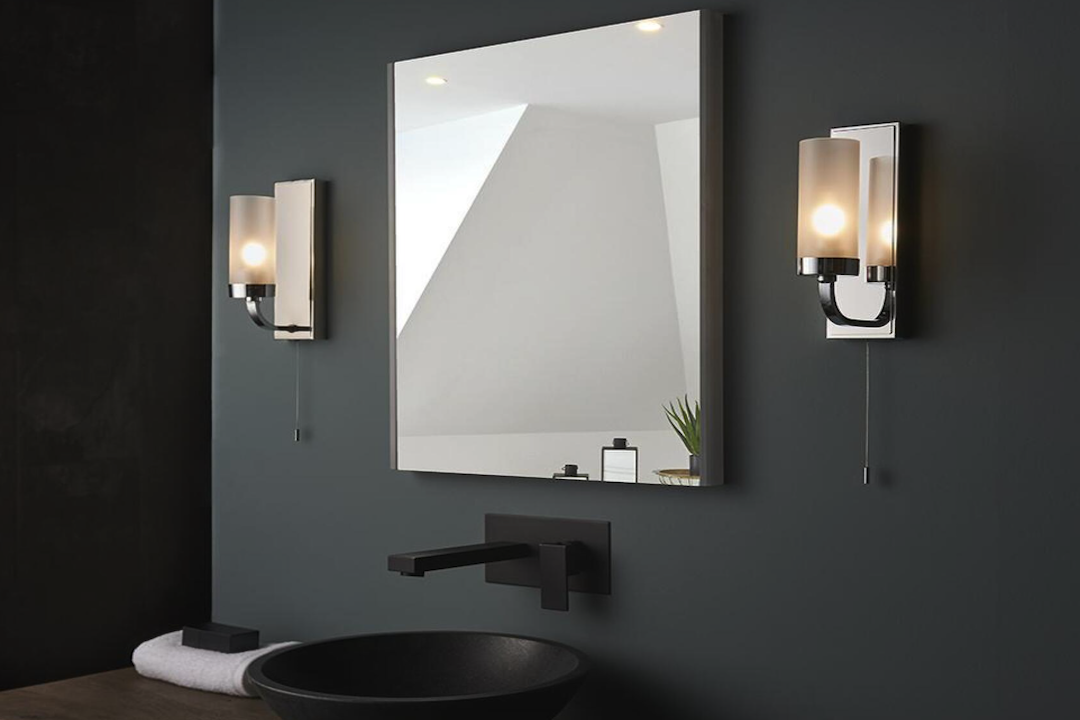
Upgrading a bathroom often involves selecting fixtures that offer both utility and aesthetic appeal. Among these, lighting plays a foundational role. A waterproof LED wall lamp represents a specific category of lighting designed for environments where moisture is prevalent, such as bathrooms. This article addresses the functional and practical considerations of integrating such lighting into a bathroom renovation or upgrade.
Before considering specific applications, it is important to understand what distinguishes a waterproof LED wall lamp from general lighting Homehubz fixtures. The primary characteristic is its ingress protection (IP) rating. This rating indicates the degree of protection provided by electrical enclosures against the intrusion of solids and liquids.
IP Rating Significance
The IP rating consists of two digits. The first digit refers to protection against solids, ranging from 0 (no protection) to 6 (dust tight). The second digit refers to protection against liquids, ranging from 0 (no protection) to 9K (high-pressure, high-temperature jet wash). For a bathroom, a fixture typically requires a minimum liquid protection rating of 4, meaning it is protected against splashing water from any direction. Areas directly exposed to water, such as inside a shower enclosure, may require higher ratings like IP65 or IP67.
LED Technology
Light-emitting diode (LED) technology is integral to these fixtures. LEDs offer several advantages over traditional incandescent or fluorescent lighting. These include:
- Energy Efficiency: LEDs consume significantly less power to produce a comparable light output, leading to reduced electricity bills.
- Longevity: LED lamps have a longer operational lifespan than other lighting types, reducing the frequency of replacement.
- Durability: LEDs are solid-state devices, less susceptible to damage from impact or vibration compared to fragile filaments or gas tubes.
- Compact Size: The small size of individual LEDs allows for flexible fixture designs.
Strategic Placement within the Bathroom
The effective placement of any light fixture is crucial, but especially so in a bathroom where safety and functionality are paramount. Bathrooms are divided into zones based on their proximity to water sources, and these zones dictate the required IP rating of a light fixture.
Bathroom Zones and IP Requirements
The International Electrotechnical Commission (IEC) defines four zones within a bathroom:
- Zone 0: This zone is inside the bath or shower tray itself. Any fitting used here must be low voltage (max 12V) and have a minimum IPX7 rating, indicating protection against immersion in water.
- Zone 1: This zone is above the bath or shower, up to a height of 2.25 meters from the floor. Fittings in this zone require a minimum IPX4 rating. If the light is 240V, it must be protected by a residual current device (RCD).
- Zone 2: This zone extends 0.6 meters outside the perimeter of the bath or shower and 2.25 meters high. It also includes the area around the wash basin. A minimum IPX4 rating is recommended for this zone.
- Outside Zones: This refers to any area outside zones 0, 1, and 2. While no specific IP rating is required, the use of IPX4 rated fixtures is often considered good practice for general bathroom lighting to account for condensation and splashes.
Specific Placement Applications
Given these zones, consider specific locations for waterproof LED wall lamps:
- Vanity Lighting: Placed above or beside the mirror, vanity lighting serves a functional purpose for grooming tasks. Lateral placement at eye level often provides more even illumination without harsh shadows. An IPX4 rating is generally sufficient here.
- Shower Enclosure Lighting: Within Zone 1 or 0, specialized recessed or surface-mounted waterproof LED lamps are necessary. These fixtures often have higher IP ratings (IP65, IP67) and are designed to withstand direct water spray.
- General Ambient Lighting: For illuminating larger areas of the bathroom, wall-mounted fixtures can supplement ceiling lights. Their placement should avoid creating glare reflected off shiny surfaces. An IPX4 rating is usually adequate for general ambient lighting in Zone 2 or outside zones.
Installation and Electrical Considerations
The installation of electrical fixtures in a bathroom is subject to national and local electrical codes. It is imperative that all electrical work adheres to these regulations to ensure safety.
Professional Installation
Given the presence of water and electricity, professional installation by a qualified electrician is strongly recommended. Attempting to install bathroom electrical fixtures without proper knowledge poses a significant risk of electric shock and fire. A professional electrician will ensure:
- Compliance with Codes: All wiring and connections meet local and national electrical safety standards.
- Correct IP Rating: Fixtures are correctly selected for their respective bathroom zones.
- Proper Grounding: All metal enclosures are correctly grounded to prevent electrical shock.
- RCD Protection: Circuits supplying power to bathroom fixtures, especially in zones 0 and 1, are protected by Residual Current Devices (RCDs).
Wiring and Connections
Waterproof LED wall lamps often require specific wiring methods to maintain their ingress protection. This may include:
- Sealed Cable Entries: Glands or seals where cables enter the fixture to prevent water ingress.
- Terminal Blocks: Secure, insulated connections within the fixture.
- Concealed Wiring: Running wiring within walls or conduits where possible, minimizing exposed conductors.
Design and Aesthetic Integration
Beyond their functional aspects, waterproof LED wall lamps contribute to the overall aesthetic of a bathroom. Their design, light quality, and finish material can significantly influence the character of the space.
Fixture Styles and Finishes
Waterproof LED wall lamps are available in diverse styles to complement various bathroom decors:
- Minimalist: Clean lines and understated designs often in chrome, brushed nickel, or matte black finishes. These blend seamlessly into modern or contemporary bathrooms.
- Transitional: A balance between traditional and modern elements, featuring slightly more ornate details or varied materials.
- Industrial: Incorporating materials like unfinished metals, exposed bulbs (though still protected), or cage designs for a rugged aesthetic.
- Traditional: More classic designs, sometimes with glass shades or antique bronze finishes, suitable for period-style bathrooms.
The finish material should be considered not only for aesthetics but also for its durability in a humid environment. Materials like stainless steel, anodized aluminum, and certain treated brass alloys offer resistance to corrosion.
Light Color Temperature
The color temperature of an LED light, measured in Kelvin (K), influences the mood and perception of a space.
- Warm White (2700K-3000K): Emits a soft, yellowish light, similar to incandescent bulbs, creating a cozy and relaxing atmosphere. Suitable for general ambient lighting.
- Cool White (3500K-4500K): A more neutral white light, often perceived as crisp and brighter. Ideal for task lighting at the vanity, as it provides good color rendition for makeup application or shaving.
- Daylight (5000K-6500K): Mimics natural daylight and is the brightest and bluest on the scale. While good for very specific task applications, it can sometimes feel harsh in a residential bathroom.
Consider layering different color temperatures to create versatile lighting scenes. For example, warm ambient lighting with cooler, brighter task lighting at the vanity.
Maintenance and Longevity
The inherent longevity of LED technology reduces the frequency of maintenance. However, periodic cleaning and inspection are beneficial.
Cleaning and Care
- Gentle Cleaning: Clean fixture surfaces with a soft, damp cloth and mild soap. Avoid abrasive cleaners or harsh chemicals that can damage finishes or seals.
- Dust Removal: Regularly dust the fixtures to maintain light output and prevent buildup.
- Inspection of Seals: Periodically check the integrity of seals around the fixture, especially in high-momoisture areas, to ensure they remain watertight.
Driver and Component Life
While LEDs themselves have long lifespans, the electronic drivers that power them can sometimes fail prematurely. Most contemporary waterproof LED wall lamps feature integrated drivers, meaning if the driver fails, the entire fixture might need replacement. Choosing products from reputable manufacturers often correlates with higher quality drivers and longer overall product life.
Advantages Beyond Basic Illumination
Beyond simply providing light, waterproof LED wall lamps offer several advantages that enhance the functionality and comfort of a bathroom.
Energy Savings and Environmental Impact
The switch from traditional lighting to LEDs can lead to substantial energy savings over the lifespan of the fixture. This reduction in electricity consumption translates to lower carbon emissions, aligning with broader environmental sustainability goals. Consider the following:
- Reduced Operating Costs: Over several years, the cost savings on electricity can offset the initial investment in LED fixtures.
- Fewer Replacements: The extended lifespan of LEDs minimizes waste from discarded bulbs and packaging.
Enhanced Safety
The inherent moisture resistance of these lamps significantly reduces the risk of electrical hazards in a wet environment. By ensuring appropriate IP ratings are met for each bathroom zone, you create a safer space. Furthermore, features like low voltage operation (especially in Zone 0) contribute to this safety margin.
Aesthetic Versatility and Mood Creation
Modern waterproof LED wall lamps are not merely functional tools; they are design elements. Their versatility allows them to contribute to various bathroom aesthetics.
- Highlighting Features: Wall lamps can be strategically placed to accentuate architectural details, artwork, or decorative elements like textured tiles.
- Creating Ambiance: Dimmable LED wall lamps allow you to adjust the light intensity, transforming a bright, functional space into a softly lit, relaxing sanctuary. This flexibility is key to creating multi-use bathrooms.
- Space Perception: Well-placed wall lighting can make a small bathroom feel larger or a large bathroom feel more intimate. Up-lighting can visually raise a ceiling, while side lighting can broaden a space.
Considering Smart Lighting Integration
The evolution of LED technology has also paved the way for smart lighting solutions, which can be integrated into bathroom upgrades.
Benefits of Smart Lighting
- Remote Control: Control lights via a smartphone app, even when away from home.
- Voice Control: Integrate with smart home assistants for hands-free operation.
- Dimmability and Color Tuning: Adjust brightness and even color temperature (if multi-white or RGB LEDs are used) to suit different moods or tasks.
- Scheduling: Program lights to turn on/off at specific times, enhancing security and convenience.
- Motion Sensors: Integrate motion sensors to automatically turn lights on when entering the bathroom and off after a period of inactivity, further saving energy.
Integration Challenges
While beneficial, integrating smart lighting into a bathroom requires careful planning:
- Compatibility: Ensure smart lamps are compatible with existing smart home ecosystems.
- Wiring: Some smart switches or fixtures may require neutral wires, which might not be present in older bathroom wiring.
- IP Ratings: Smart bathroom specific fixtures must still adhere to the relevant IP ratings. Ensure that any smart components like sensors or control panels also boast appropriate protection if located within higher-risk zones.
Final Considerations for Your Upgrade
Embarking on a bathroom lighting upgrade with waterproof LED wall lamps is an investment in both functionality and the overall quality of your living space.
Budget Planning
Bathroom upgrades, particularly those involving electrical work, require clear budgeting. Consider the following cost factors:
- Fixture Cost: Prices vary widely based on brand, design, IP rating, and embedded smart features.
- Installation Cost: Professional electrician fees can be a significant component of the budget.
- Ancillary Costs: Any necessary wiring upgrades, RCD installation, or patching of walls.
Prioritizing areas for higher IP-rated fixtures and carefully selecting designs can help manage costs.
Future-Proofing
When selecting fixtures, consider their long-term viability. Opt for reputable brands that offer good warranties and potential access to replacement parts, even for non-user-replaceable components like integrated LED drivers. The rapid advancement in LED technology means that while a fixture purchased today will be efficient, future fixtures may offer even greater efficiencies or advanced features. However, focusing on current code compliance and durable models ensures a lasting basic investment.
Personalization
Ultimately, the choice of lighting should resonate with your personal style and meet your specific needs. The broad spectrum of designs and functionalities available in waterproof LED wall lamps allows for significant personalization, enabling you to create a bathroom that is both a practical utility space and a personal haven. Do not view lighting merely as a necessity, but as a critical element in crafting the atmosphere and utility of your bathroom.